
 By Michael Caine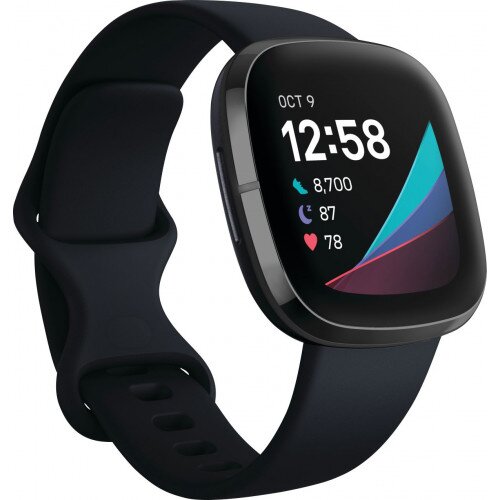
A low watch price can feel like a win until the listing starts asking for trust. The Fitbit Sense 3 deal story should be read with care because current official Google Store pages do not clearly show that model beside the latest Google Fitbit and Pixel watch lineup, while Google’s own support page still lists Sense 2 as the supported Sense smartwatch through at least February 2028. That does not make every listing fake. It does mean a smart US buyer should check the seller, model name, warranty path, and app support before treating a health smartwatch discount as safe money. The real value is not the lowest number on the page. It is the watch that arrives new, pairs cleanly, tracks well, and stays supported after the sale banner disappears. For more consumer tech buying notes and market-style updates, digital product coverage for US shoppers can help you compare the bigger picture before you click buy.
Why the Fitbit Sense 3 Price Story Needs a Careful Buyer
The first thing to know is simple: a smartwatch price drop is only useful when the product name is clear. Google’s official US watch and tracker page currently highlights products such as Google Fitbit Air, Pixel Watch 4, and Google Fitbit Charge 6, plus the shift from the Fitbit app to Google Health. That matters because shoppers often see deal pages move faster than brand pages, and old product names, rumor names, and marketplace titles can blend together.
Check the model name before you judge the discount
A deal headline can sound clean while the product page tells a messier story. Look at the exact title, photos, box label, color options, and seller notes. If one part says a new Sense model and another part shows Sense 2 packaging, pause. That mismatch is not a tiny detail. It changes the support window, resale value, and buyer protection.
This is where many people lose money on a fitness tracker deal. They compare the sale price against a name they assume is new, not against the actual item being shipped. A watch can be a fair buy and still be a poor deal if the listing language makes it sound newer than it is.
Why official support matters more than the sale badge
Support life is not exciting, but it is the part you feel later. Google’s support page lists Fitbit Sense 2 security updates until at least February 2028, while older Sense and Versa models have earlier end dates. A lower price looks weaker if the device is near the end of its support path.
The counterintuitive part is that the cheapest watch can cost more in the long run. If it stops getting updates, loses clean app support, or becomes harder to return, the savings fade. For a health smartwatch, support is part of the product, not an extra.
What Makes a Health Smartwatch Deal Worth Taking
A good deal is not built on price alone. It comes from the fit between your daily habits and the watch’s strengths. Some buyers want sleep tracking. Some want stress prompts. Some want step counts, heart rate trends, and basic notifications without paying Apple Watch money. That is where the Fitbit name still has pull in the US market.
Sleep tracking is where Fitbit still earns attention
For many users, the best reason to buy a Fitbit-style watch is sleep. A watch that feels light enough to wear overnight has an edge over bulkier models. If you charge it once and forget about it for several days, you are more likely to keep using it. That matters more than a shiny feature you open twice.
The practical example is simple. A nurse in Ohio working three twelve-hour shifts does not need a watch that feels like a phone on the wrist. She needs sleep trends, heart rate data, alarms, and a battery that does not panic at midnight. In that case, a modest smartwatch price drop can make sense if the device is genuine and supported.
Wellness tools are helpful, but they are not a doctor
Wearables can guide habits, but they should not replace medical care. The FDA’s general wellness guidance explains how low-risk products can support healthy lifestyle goals without being treated the same as medical devices. That is a useful frame for any buyer comparing health claims.
This is where the marketing gets loud. Heart data, stress scores, skin temperature, and sleep reports can feel serious. They may help you notice patterns. They do not diagnose you from the couch. A fair product page should make that line easy to see.
How to Compare the Deal Against Other Fitbit Options
The Sense line is not the only Fitbit path anymore. Google’s current store page puts Fitbit trackers, Pixel watches, and Google Health under the same shopping roof. That gives buyers more choice, but it also makes the buying decision less tidy.
Compare the watch to Charge and Inspire models
If you mainly want steps, sleep, heart rate, and long battery life, a tracker may be enough. The Charge and Inspire lines can make more sense for people who do not care about a larger screen. A fitness tracker deal can beat a smartwatch deal when the smaller device fits your use better.
The non-obvious insight is that fewer features can improve the experience. Less screen time. Less charging stress. Less menu digging. If your goal is to move more and sleep better, a simple band may keep you honest better than a watch packed with extras.
Compare it to Pixel Watch if apps matter
If you want richer apps, smoother notifications, music control, and stronger phone-style behavior, a Pixel Watch may be the better lane. Fitbit-style watches tend to win on battery and wellness focus. Pixel-style watches tend to win on smart features.
A shopper in Texas who wants Google Maps, call handling, and a polished app feel may regret buying only for the discount. A shopper in Michigan who wants calm health tracking and fewer distractions may feel the opposite. The right choice is not the newest watch. It is the one you will wear after the first week.
Smart Buying Steps Before You Purchase
The final buying move should be boring. Boring protects your money. Before you buy, compare the listing against official product pages, check the return window, read recent reviews, and confirm whether the seller is authorized. Do not let a countdown timer do the thinking for you.
Read the return policy like a warranty document
A return policy tells you how much risk the seller is handing back to you. Look for the return window, restocking fees, open-box rules, and who pays return shipping. For marketplace listings, check whether the item ships from the retailer or a third-party seller.
One practical rule helps: if the savings are small, buy from the cleaner seller. Saving $12 is not worth a fight over a missing charger, scratched case, or unclear warranty. A cheap health smartwatch with a weak return path is not a bargain. It is a chore waiting to happen.
Watch for refurbished, imported, and open-box wording
Refurbished is not bad when it is labeled clearly and backed by a warranty. Imported stock is not always bad either. The problem starts when a listing hides the condition in tiny print. Open-box units can arrive with old battery wear, missing bands, or mismatched accessories.
Use smartwatch buying tips and fitness tracker comparison guide as internal checks before publishing your final buying guide. A good article should help the reader slow down, not push them into a rushed cart. That is the difference between helpful deal coverage and thin affiliate noise.
Conclusion
A low price can be useful, but only after the product passes the boring checks. Model clarity, support life, seller quality, return terms, and app fit all matter more than a bright sale label. For US shoppers, Fitbit Sense 3 should be treated as a name that needs verification before purchase, since official pages do not currently make the path as clear as a normal product launch page would. The better move is to judge the deal by what will happen after delivery: setup, comfort, battery life, warranty, and daily use. A watch that tracks your sleep for months beats a mystery listing that saves a few dollars today. Buy the deal only when the details are clean enough to trust.
Frequently Asked Questions
How do I know if a Fitbit smartwatch deal is real?
Check the seller name, model number, return policy, warranty terms, and product photos. A real deal should have consistent naming across the page. If the title, images, and specs do not match, treat the listing with care.
Is a Fitbit health smartwatch worth buying in 2026?
Yes, for buyers who want sleep tracking, heart rate trends, stress tools, and longer battery life than many full app-based watches. It is less ideal for people who want a rich app store, advanced calling, or a phone-like wrist experience.
What is the safest way to buy a discounted Fitbit watch?
Buy from the official store, a major retailer, or a trusted marketplace seller with clear returns. Avoid listings with vague condition notes, missing warranty details, or product names that mix several Fitbit models in one title.
Should I buy a Fitbit tracker instead of a smartwatch?
Choose a tracker if you mainly want steps, sleep, heart rate, and battery life. Choose a smartwatch if you want a larger screen, more on-wrist controls, and a watch-like feel. Many casual users are happier with the simpler device.
Why does security support matter for a smartwatch?
Security support helps protect the device after purchase and keeps it safer to use with your account and phone. A cheap watch with limited support may lose value faster, even if the hardware still turns on.
Can a Fitbit replace medical advice?
No. It can show trends and help you notice changes, but it should not be used as a doctor. Use the data as a prompt for better habits or a reason to speak with a medical professional when something feels wrong.
What should I check when buying open-box Fitbit watches?
Check battery health, charger condition, band size, scratches, return terms, and whether all sensors work after setup. Open-box can be a fair value when the seller is clear and the return window gives you time to test it.
When is a smartwatch price drop not worth it?
Skip it when the listing is unclear, the seller has weak reviews, the return policy is narrow, or the model has poor support. A small discount is not worth confusion, missing accessories, or a warranty problem after delivery.