
 By Michael Caine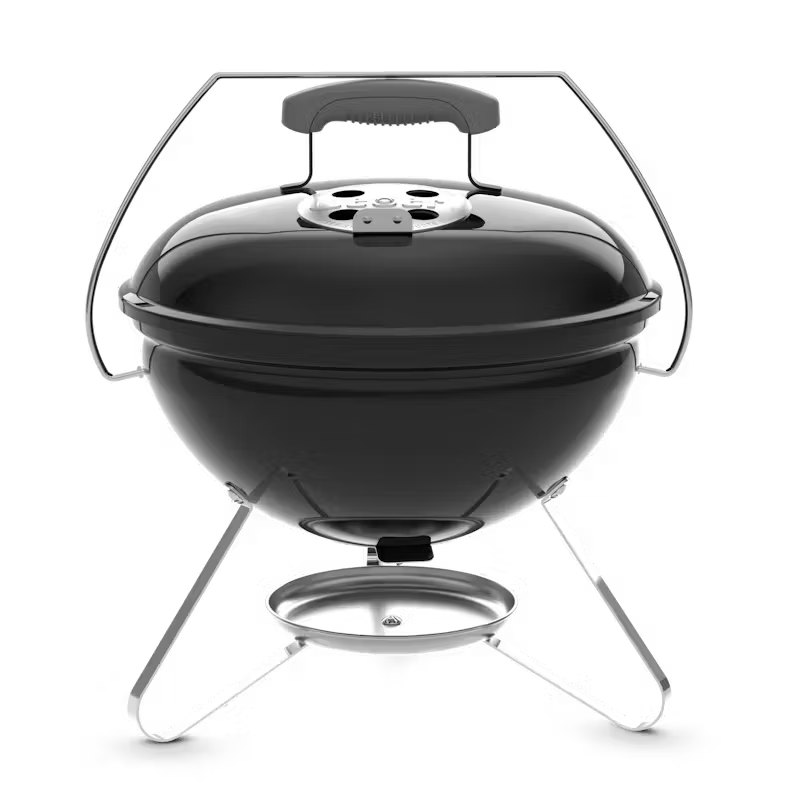
A good cookout tool earns space by disappearing into the day. It should not turn the trunk into a puzzle, steal half the picnic table, or make a weeknight burger feel like a backyard construction job. That is why the portable charcoal grill has a loyal crowd again: people want real coal flavor without dragging out a full-size kettle. The Weber Smokey Joe fits that mood because it feels built for American routines that move between patios, campsites, tailgates, lake weekends, and apartment courtyards. Readers tracking product returns through retail restock coverage are not only chasing a buy button. They are trying to decide whether a compact cooker still makes sense when larger grills keep shouting for attention. This one does, as long as you understand what it is. It is not a banquet machine. It is a tight, useful charcoal setup for two to four people, with enough personality to make a simple meal feel cooked, not assembled.
Why Portable Charcoal Grill Demand Returned Before Cookout Season
The renewed interest makes sense because the way Americans cook outside has changed. Many households no longer treat grilling as a huge Saturday event. They want a fast dinner after work, a beach lunch, or a low-cost setup for a rental patio. Weber describes the Smokey Joe series as durable, lightweight, and compact for trips to places like the beach or a road run, which matches how buyers talk about this category now.
There is also a money angle that feels plain to anyone shopping in June. A compact kettle sits in the zone where a buyer can act without turning the purchase into a household debate. It is still gear, but it does not carry the weight of a major patio upgrade. That matters when shoppers are buying for a trip, a holiday weekend, or a simple “we should grill tonight” mood.
The shift from backyard status to useful mobility
For years, bigger grills carried the bragging rights. Four burners. Side shelves. A lid thermometer the size of a clock. Those setups still have a place, but they do not solve every cooking problem. A family in Phoenix may own a large gas unit and still want a coal cooker for carne asada in the park. A student in Madison may have no room for anything else.
That is where a small charcoal grill starts to feel less like a compromise. It turns a patch of outdoor space into a cooking zone without asking for a permanent corner. You can keep it in a shed, haul it to a campsite, or use it on a driveway when friends drop by. The non-obvious part is that less surface can make you cook with more care. You stop tossing on every package from the fridge and start choosing what fits the fire.
There is a rhythm to that. Two steaks, a few ears of corn, a foil packet of onions, then buns warming at the end. The meal gets paced by the coal bed, not by a control panel. For buyers tired of gear that feels larger than the meal, that restraint is part of the appeal.
Why sellouts happen on simple gear
Sellouts around compact Weber models often say more about timing than hype. Spring and early summer push people into fast decisions. Someone gets invited to a lake house, sees a tailgate weekend coming, or remembers that the old grill rusted out last season. A $50-to-$100 class cooker feels easier to buy than a full patio rig, and Weber’s U.S. Smokey Joe page shows current models in that range.
There is also a trust shortcut at work. Many buyers do not want to gamble on an unknown brand when charcoal heat, ash cleanup, and lid fit matter. The Weber Smokey Joe name carries the memory of the classic kettle shape in a size that feels low-risk. That does not mean every shopper has studied the specs. Often, they have used one at a cousin’s cookout and remember it working.
The counterintuitive lesson is that basic products can sell out faster than flashy ones because they create fewer doubts. A gadget-heavy grill asks questions: app support, parts, wires, storage, assembly. A compact kettle asks one main question. Do you want charcoal flavor in a form you can carry?
What the Smokey Joe Premium Gets Right for Real-Life Use
The real test is not whether a compact cooker looks good on a product page. It is whether you still like it after ash, wind, greasy burgers, and a crowded table. This is where the Smokey Joe Premium makes sense for many buyers, especially anyone who values control over size.
That honesty is rare in outdoor cooking gear. Plenty of products promise a backyard feast while ignoring where people live, park, store, and clean. This cooker does the opposite. It starts from the idea that a short meal can still deserve a real flame.
Home Depot lists the model with 147 square inches of cooking space, a porcelain-enameled lid and bowl, and a 10-year limited warranty.
The size is honest, not limiting
The cooking area will not feed twelve hungry adults in one pass. That sounds like a weakness until you think about how the grill is used. Most tabletop grilling happens in rounds anyway. First the hot dogs for kids, then burgers, then vegetables, then maybe a late batch for the person who wanted extra char.
A compact grate also makes heat easier to read. On a wide grill, people spread food across a surface they have not heated evenly. On this cooker, you can see the whole fire. Push coals to one side, leave a cooler edge, and rotate food with intent. That is a better habit than filling every inch because the metal is there.
For example, at a parking-lot tailgate in Ohio, this size can handle bratwursts for a small group without turning the cook into a full-time pit boss. You are close enough to talk, close enough to watch flare-ups, and close enough to pull food before it dries out. That closeness matters.
Think about a rented beach house in North Carolina where the built-in grill has a rusted grate and no one trusts it. A compact kettle in the car changes the plan. You can cook shrimp skewers, toast rolls, and finish sliced zucchini without hunting for a working burner or cleaning someone else’s mess.
Build details that matter after the third cookout
Porcelain enamel sounds like a product-page phrase, but the value is plain after repeat use. Ash is rough. Grease is stubborn. Heat cycles punish cheap finishes. A coated bowl and lid help the cooker resist the tired, flaky look that makes people abandon budget grills after one season.
The lid is a bigger deal than many new buyers expect. Open grilling is fine for quick sausages, but a lid gives you a heat chamber. It lets chicken pieces cook through without burning the outside, and it helps thicker burgers finish with less panic. You are not smoking a brisket for fourteen hours here. You are gaining enough control to make everyday food better.
The Weber Smokey Joe also wins because its design is familiar. Replacement grates, chimney starters, briquettes, gloves, and foil pans are easy to pair with it. A lesser-known compact grill may cook fine on day one, but the annoyance starts when a part bends or the grate size is odd. Simple ownership is part of performance.
How to Cook Better on a Compact Kettle
Buying the cooker is the easy part. Cooking well on it takes a light touch. The mistake new owners make is treating a compact kettle like a tiny version of a huge grill. It is not. It rewards smaller fuel loads, tighter timing, and a better plan before the first match is lit.
The best cooks on a compact kettle act more like camp cooks than appliance owners. They trim the menu before lighting the fire. They group foods by heat need. They accept that a smaller grate has a voice, and that voice says, “Plan the order.”
Use fewer coals than your nerves want
Most people overfuel small cookers. They see a narrow bowl and think heat will be weak, so they dump in a heavy pile of briquettes. Then the grate runs too hot, burgers flare, and the first meal tastes like rushed smoke. A modest coal bed usually works better.
Start with the food you plan to cook, then choose the fire. Thin patties, hot dogs, skewers, and sliced vegetables need a hot but short session. Bone-in chicken needs a calmer setup with coals banked to one side. Thick pork chops need a sear, then a cooler finish. The grill can do those jobs, but not if every inch is packed with fuel.
This is where tabletop grilling teaches patience. You do not need restaurant speed. You need a fire that matches the meal. A quiet coal bed can beat a raging one because it gives you time to move food before sugar, fat, and sauce turn against you.
Keep safety habits boring and steady
Charcoal cooking feels casual, but the safety routine should stay plain. The USDA tells outdoor cooks to keep raw and cooked foods separate by avoiding the same platter, cutting board, or utensils for both stages. That one habit saves more meals than any fancy tool.
A second clean plate sounds boring until the wind picks up, guests crowd the table, and someone asks where the buns went. Those are the moments when outdoor cooking gets messy. Put the clean plate away from raw prep before you light the coals, and the problem never starts.
Use a food thermometer for chicken and thicker cuts, and keep a clean plate ready before food leaves the grate. The USDA grilling food safety guide is worth saving because cookouts invite shortcuts. People stand around, someone hands you a raw-meat tray, and a clean serving dish suddenly feels optional. It is not.
Fire safety is the other half. The NFPA advises keeping children and pets at least three feet from the grilling area, and that rule matters even more with a low cooker near picnic tables or camp chairs. Put the grill on stable ground, let ash cool fully, and never move it because the party shifted ten feet to the left. Hot metal has no sympathy.
Buying, Restock, and Care Moves That Keep Regret Away
A restock can make buyers rush, especially when the item has a familiar name and a reasonable price. Still, the best purchase is not the fastest one. It is the one that matches how you cook, where you cook, and who you feed. A compact cooker can be a smart buy, but it can also disappoint someone expecting a full backyard station.
Restock pressure also hides the cost of small annoyances. A cooker may be affordable, but fuel, tools, storage, and cleanup still shape the ownership experience. Buyers who think through those parts first tend to enjoy the grill more because no single cookout becomes a scramble.
Check the use case before the cart
Ask where the grill will live between cooks. If it has to sit outside through rain without cover, plan for a cover or dry storage. If it will ride in a car, think about ash cleanup before the return trip. If you cook on shared outdoor space, confirm the rules first. Many apartments and condo boards limit charcoal use, and no bargain beats a fine or angry neighbor.
The small charcoal grill shines for people who cook in tight sessions. Two burgers on a Wednesday. Salmon and asparagus for a couple. A six-pack of brats before a college football game. It is less ideal for someone who wants to host twenty people and eat all at once. You can cook in waves, but guests do notice when the second round is still raw.
For planning, pair the cooker with easy patio grilling setup ideas and a weekend cookout checklist. Those internal notes can help you build the whole routine around fuel, tools, food prep, and cleanup instead of treating the grill as the only decision.
Buy the few accessories that change the experience
You do not need a mountain of add-ons. A chimney starter, heat-safe gloves, long tongs, a stiff scraper, and a thermometer cover most needs. A small metal ash bucket helps if you cook away from home. Foil pans are useful for holding cooked food or creating a cooler zone, but they should not become a substitute for clean plates.
The non-obvious accessory is time. Give yourself ten minutes to set up before guests hover over the food. Open the vents, light the coals, stage the tools, and decide where cooked food will land. That short pause changes the whole cook. You become calm because the system is set.
The Weber Smokey Joe is not hard to maintain. Empty ash after it is cold, wipe greasy buildup before it turns into a smell, and protect the lid from dents during travel. A grill this simple can last because there are fewer pieces to baby. Treat it like a tool, not a disposable summer toy.
There is one more quiet benefit: cleanup scale. After a large party grill, ash and grease can turn into a chore people avoid until the next weekend. With this size, the mess is easier to face while the memory of the meal is still fresh. That makes care more likely, and care is what keeps a modest cooker useful. That is the kind of ownership that survives past one holiday weekend.
Conclusion
The smartest reason to care about this restock is not scarcity. It is the return of a type of outdoor cooking that asks for less space, less money, and more attention from the cook. Bigger grills can feed a crowd, but they also invite lazy heat management. A compact kettle puts you closer to the fire and makes every choice count.
For many U.S. buyers, the portable charcoal grill is the right answer because it fits real weekends: a state park lunch, a driveway dinner, a small patio, a tailgate lot, or a rented cabin with no decent cooking gear. It gives you smoke, heat, and control without turning the purchase into a project.
The better move is patient urgency. Check the retailer, confirm the model, and picture the first five meals you would cook on it. If those meals sound natural, the buy makes sense.
Do not buy it because the word “sellout” creates pressure. Buy it because the size matches your life. If you want honest charcoal flavor in a cooker you can carry, store, clean, and understand, this restock is worth watching closely.
Frequently Asked Questions
Is the Smokey Joe Premium worth buying for a small family?
Yes, it makes sense for two to four people who cook simple meals in batches. Burgers, brats, chicken pieces, vegetables, and skewers fit the format well. Large families may need several cooking rounds, which can feel slow during a busy dinner.
How much food can the Weber Smokey Joe cook at once?
Expect enough grate space for a modest meal, not a large party. You can cook several burgers, a pack of hot dogs, or a mix of protein and vegetables. The best results come from leaving a little open space for heat control.
Is this grill good for camping trips?
Yes, it works well for car camping, cabins, lake weekends, and picnic sites where charcoal cooking is allowed. Let the ash cool fully before packing up, and bring a metal container if the site has poor disposal options.
What is the best fuel for the Smokey Joe Premium?
Standard charcoal briquettes are easiest for steady heat and repeatable timing. Lump charcoal can burn hotter and faster, which some cooks like for steak or skewers. Beginners usually get better control with briquettes and a chimney starter.
Can beginners cook well on this Weber grill?
Yes, beginners can get good results by starting with simple foods and a modest coal bed. Keep one side hotter and one side cooler. That gives you a safe place to move food when fat drips or sauce starts to burn.
Does a compact charcoal cooker work for apartment patios?
It depends on the building rules and local fire code. Many apartments restrict charcoal because of smoke, embers, and close walls. Check the policy before buying, and never use charcoal indoors, in garages, or under covered spaces.
How should I clean it after cooking?
Wait until the grill and ash are fully cold. Remove ash, scrape the grate, and wipe greasy spots before storing it. Avoid soaking the bowl. A dry, covered storage spot will keep the cooker in better shape between cookouts.
What should I buy with the grill first?
Start with a chimney starter, long tongs, heat-safe gloves, a food thermometer, and a simple scraper. Those items improve lighting, handling, doneness, and cleanup. Fancy baskets and specialty tools can wait until you know how you cook most often.