
 By Michael Caine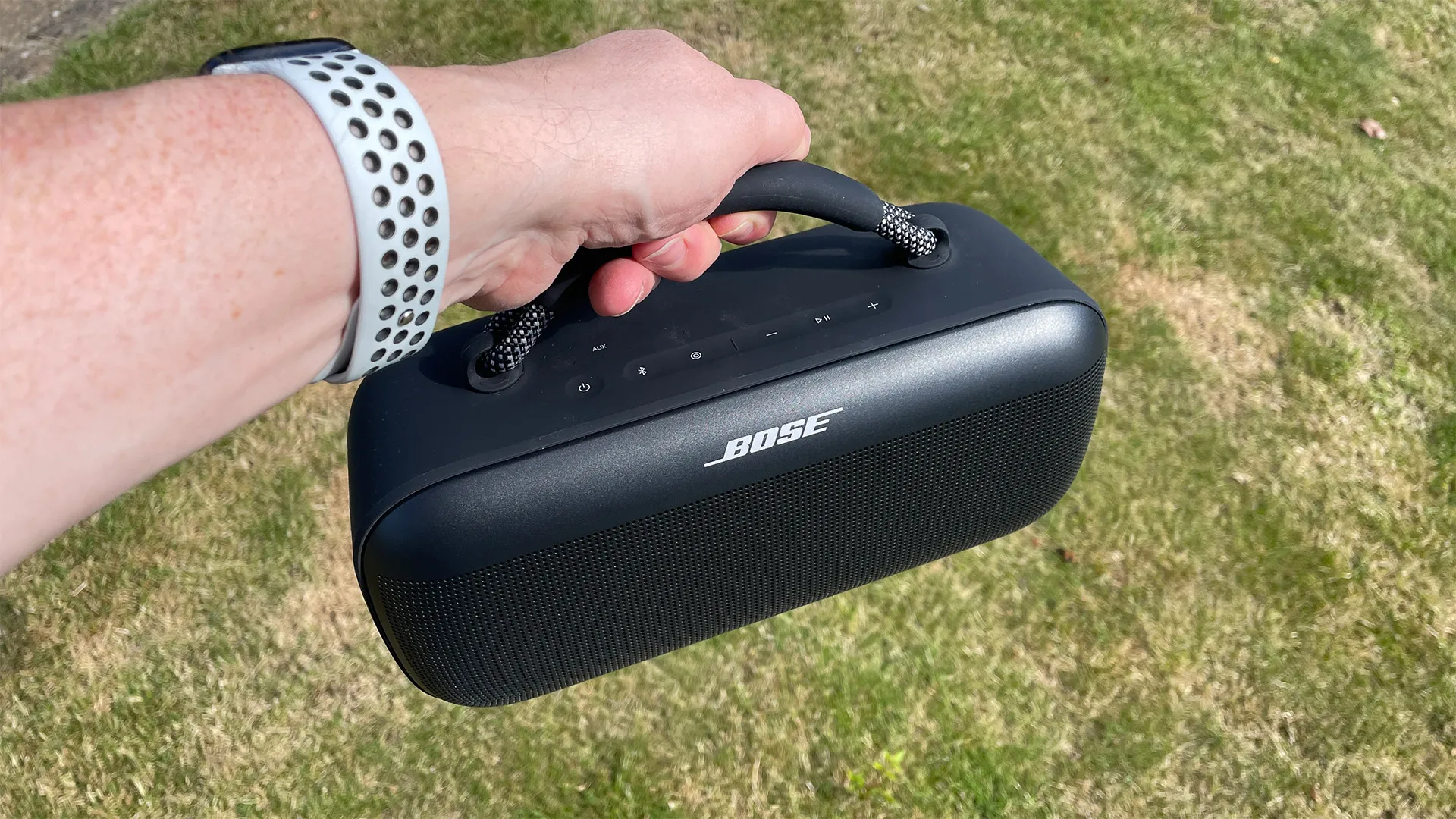
A speaker deal gets more interesting when the price cut changes who should buy it. The Bose SoundLink Max is now showing at $279 in U.S. listings, down from a $399 original price, while Bose itself frames the offer as a $120 savings through June 28, 2026. That matters because this was never the cheap pick. It is the heavier, louder, patio-ready Bose portable speaker meant for people who want more body than a pocket speaker can give. For readers tracking consumer audio drops through consumer tech deal coverage, the sharper question is not “Is it discounted?” It is “Does the lower price finally match the way you will use it?” If you host cookouts, keep music running in a garage, or want a portable Bluetooth speaker that can move from the kitchen to the deck without sounding thin, this sale deserves a close look. The best buyer here is not chasing a logo. They are trying to solve a common problem: small speakers fade when the room, yard, or crowd gets bigger.
Why Bose SoundLink Max Finally Makes More Sense at This Price
At full price, the Max sat in awkward territory. It sounded too serious to compare with a budget beach speaker, yet it cost enough that shoppers started thinking about smart speakers, small soundbars, or even a second-room hi-fi setup. A $120 cut changes the math. It does not make the speaker cheap. It makes the speaker easier to judge on use instead of brand glow. The hidden shift is emotional: at $399, buyers expect near perfection, but at $279 they start asking a fairer question. Will this make ordinary listening better often enough to earn its place? That is where the model has a stronger case, because it was built for repeated shared listening, not one flashy weekend.
The discount moves it out of “luxury maybe” territory
Most people do not need a large portable speaker. They need one when the room changes. A phone speaker works on a nightstand. A small cylinder works for a shower. Trouble starts when you move to a backyard table, a driveway project, or a family party where people keep walking between spaces.
That is where a bigger unit earns its keep. Bose lists the speaker at 4.7 lb, with a removable rope handle, IP67 water and dust resistance, and up to 20 hours of battery life. Those numbers point to a product that is meant to be carried across the house, not stuffed into a jacket pocket. It belongs in the real middle zone: too large for daily travel, but easy enough to grab when music needs to follow people.
The non-obvious part is that weight can help. A heavier body is not fun in a backpack, but it often feels steadier on a picnic table or garage shelf. Light speakers bounce, rattle, or get shoved aside. This one has enough mass to feel planted, which matters when a table is crowded with plates, cans, keys, and someone’s phone. That stability is not exciting on a spec sheet, but it matters after the second bumped elbow.
Why the $279 mark changes buyer psychology
A lower price also changes how you compare it. At $399, you may stack it against everything: Wi-Fi speakers, home theater gear, larger JBL models, and open-box audio. At $279, it lands closer to premium portable gear with fewer excuses needed. You are still paying for a name, but you are not paying the full name-brand penalty.
Best Buy’s current listing shows $279 with a $120 savings, and the page shows a 4.8-star average from more than 6,700 reviews, with sound quality, portability, and size among the top mentions. Reviews are not lab tests, but large buyer patterns still reveal what owners notice after the first weekend. They notice whether it fills a space. They notice whether the handle matters. They notice if the bass becomes tiring.
That is why the discount has weight. It is not a random coupon on a weak product. It is a bigger price correction on a speaker people already place in the serious portable lane. For a shopper who almost bought a cheaper model out of guilt, this price makes the better fit easier to admit. The deal also reduces the sting of buying one better speaker instead of collecting several small ones that never sound full enough.
Sound, Size, and Battery Life in Everyday American Homes
Specs are neat on a product page, but speakers live in messy places. A kitchen island. A rental balcony. A two-car garage in Phoenix. A lake cabin outside Nashville. The Max makes the most sense when you think about those spaces, because this is not a whisper speaker. It is built for the moments where small audio starts to lose shape. Bose says the model has stereo sound, deep bass, USB-C charging out, Bluetooth 5.4, and a 30 ft Bluetooth range. That mix tells you the intent. It wants to be a portable Bluetooth speaker for people who care about fullness more than tiny size, and for households where music is part of chores, guests, dinner, and weekend downtime.
A portable Bluetooth speaker should not sound small outside
Outdoor listening exposes weak speakers fast. Walls are gone, sound spreads, and bass disappears into open air. A speaker that seems punchy in a bathroom can feel flat beside a grill. The volume may rise, but the music does not feel bigger. It starts to shout instead.
That is the reason the Max is more appealing as an outdoor speaker deal than as a bedroom gadget. It has enough body to hold music together when people are talking, food is cooking, and someone keeps opening the patio door. You are not buying silence-breaking volume alone. You are buying a fuller center, so vocals and drums do not turn into background noise.
There is a catch. Bigger bass is not always better. In a small apartment, heavy low-end can travel through floors and walls. The smarter move is to use the Bose app EQ when you are indoors, then let the speaker breathe outdoors. That tiny habit can keep neighbors from hating your new toy. It also proves a simple point: a good speaker still needs good judgment from the person using it.
Battery life matters most when nobody wants to manage the speaker
Battery claims are easy to skim past, yet they decide how often a speaker feels like work. Bose lists up to 20 hours, and independent testing from RTINGS found more than 15 hours of continuous battery life, with loud output and limited compression for outdoor use. That is enough for a long Saturday without turning the host into the charging manager. It also means weekday use can stretch across several evenings before you think about a cable.
Think about a Fourth of July cookout. Music starts in the kitchen while people prep food. Then it moves to the deck. Later it follows everyone near the firepit. A short-battery speaker breaks that rhythm. Someone hunts for a cable, the playlist stops, and the whole thing feels less casual. The best audio gear disappears into the day, and battery life is a big part of that trick.
The counterintuitive part is that charging out may matter less for phones than for peace of mind. Yes, the USB-C port can feed a phone from the speaker battery. More often, it removes anxiety. You know the speaker can rescue a low phone if the playlist device starts fading, so you stop hovering over the battery icon. That confidence is worth more than it sounds.
Who Should Buy, Wait, or Skip This Outdoor Speaker Deal
A deal is only good when it fits the buyer. That sounds plain, but it is where many audio purchases go wrong. People buy for the party they picture, not the life they have. A big portable Bose unit can be a smart buy for the right home and a bulky regret for the wrong one. This outdoor speaker deal is strongest for people who listen in shared spaces. It is weaker for frequent flyers, dorm rooms, or anyone who needs a speaker small enough to vanish into a bag. The sale widens the audience, but it does not erase the design, and honest self-checking matters more than excitement.
Buy it if your speaker keeps moving between real spaces
The best owner is not always an audiophile. It may be a parent who carries music from breakfast cleanup to the backyard. It may be someone who works in a garage on weekends. It may be a renter with no room for a permanent stereo but enough space for one strong portable unit. The pattern is movement: the speaker earns its price when it follows the day.
In those homes, one capable speaker beats three weak ones. You do not have to pair, charge, and place several cheap speakers around the house. You grab one handle and take the sound with you. Simple wins. The same logic applies to a small tailgate, a church picnic, or a kids’ birthday in a park shelter.
This is also a good fit for people who host smaller groups. Bose frames the Max as suitable for groups up to 20 people in its product comparison. That does not mean it will power a block party. It means it is sized for a patio crowd, not a stadium lot. Buy for that real scale and you will be happier.
Skip it if your listening is private, light, or travel-heavy
The wrong buyer is easy to spot. If you mostly listen at a desk, in bed, or beside a laptop, you do not need this much speaker. A smaller model will cost less, take less room, and annoy fewer people nearby. It may also sound cleaner at arm’s length because it is not trying to fill a yard.
The same goes for travelers. A 4.7 lb speaker can be portable around the house, but that does not make it carry-on friendly. There is a big gap between “has a handle” and “belongs in luggage.” That gap matters when you are packing shoes, chargers, and clothes for a weekend flight. A hotel-room speaker should not feel like another pair of boots in your bag.
Here is the less obvious skip reason: if you want smart home features, this is not the right lane. RTINGS notes that the model does not include voice assistant support. That may be a plus for buyers who want a simple speaker. It is a minus if you expect it to act like a living-room assistant. A party speaker can be excellent without becoming the center of a smart home.
How to Shop the Deal Without Getting Pulled by Hype
The phrase “lowest price” can make people rush, and retailers know it. Better shopping starts with a pause. The right move is to check the current price, compare colors, look at return terms, and decide where the speaker will live before you hit buy. As of this check, both Bose and Best Buy showed the $279 sale level in the U.S., while TechRadar also highlighted the same $279 Amazon deal during Prime Day coverage. That cross-retailer match makes the discount feel more credible. It also means you do not need to panic at the first button you see, since the deal appears broader than a single hidden listing.
Check retailer terms before chasing the last dollar
A ten-dollar gap matters less than an easy return on a speaker this personal. Audio taste is strange. One person hears warm bass; another hears too much low-end. The room changes the result as much as the spec sheet. Tile floors, open doors, and bare walls can all change the impression.
Buy from a place where you can test it in your space. Put it on the kitchen counter, then outside, then in the garage. Play the music you listen to, not demo tracks. If podcasts sound chesty or your favorite country vocals sit behind the bass, adjust the EQ before judging. A portable Bluetooth speaker should fit your habits, not the store sample playlist.
This is where portable audio deals tracker and a best Bluetooth speaker buying guide can help. Track real sale history, then compare by use case. A lower price is only useful when it points toward the right product. That is boring advice until it saves you from a return label. It also keeps the word “deal” tied to value, not impulse.
Compare it with the Plus and Flex before you commit
Bose’s own lineup creates the hardest choice. The Flex costs less and suits lighter travel. The Plus sits in the middle. The Max is the bigger swing: more weight, more presence, and a stronger party speaker feel. The sale may tempt you upward, but that does not mean upward is always right.
That does not mean the biggest model wins. In a small condo, the Flex may be the smarter speaker. For a patio and kitchen mix, the Plus may hit the cleaner middle ground. For people who keep wishing their compact speaker had more chest and reach, the Max is the one that makes sense. The right answer depends on how often your music leaves the room with you.
The non-obvious shopping move is to compare by “distance from listener.” If the speaker will sit three feet from you, smaller can be better. If it will sit fifteen feet away while people talk over burgers and paper plates, bigger starts to feel less excessive. That distance test is more useful than comparing wattage claims you cannot hear on a webpage.
Conclusion
The smartest deal buyers do not chase discounts. They match price drops to daily use. This sale makes the large Bose portable speaker easier to defend because the current $279 level cuts a serious chunk from the usual $399 price while keeping the features that made it stand out in the first place. The stronger move is to picture where it will sit next Saturday, not where a product photo makes it look good. That is the difference between buying a deal and buying relief from weak sound. It is a small but useful distinction. You get the outdoor-ready build, the long battery claim, the handle, the USB-C charge-out option, and enough sound for real shared spaces. The Bose SoundLink Max still is not for everyone, and that is the point. It is for the home where music moves, where weekends spill from inside to outside, and where a tiny speaker keeps running out of room. Check the live price, test it where you will use it, and buy only if the bigger body solves a problem you already have. Good audio should not sit around waiting for special occasions; it should make the next ordinary Saturday feel better.
Frequently Asked Questions
How much is the SoundLink Max speaker during the current sale?
Current U.S. listings showed $279 during this check, down from a $399 original price. Because speaker deals can change by color, retailer, and date, check Bose, Amazon, and Best Buy before buying.
Is this Bose portable speaker worth buying at $279?
Yes, for outdoor use, garage listening, cookouts, and shared family spaces. It makes less sense for a desk, dorm, or suitcase. The price cut helps most if you already wanted stronger sound than a small speaker can give.
Is the Max too heavy for travel?
It is portable around a home, yard, or short walk, but it is not a light travel speaker. At around 4.7 lb, it fits better on patios, counters, and garage shelves than inside a weekend carry-on.
Can this speaker handle poolside use?
It has an IP67 rating, which means protection against dust and short accidental water exposure. Still, it should not be treated like a floating pool toy. Dry it before charging and keep ports clear.
Does the speaker charge a phone?
Yes, the USB-C in/out port can send power to a phone from the speaker battery. That is helpful during cookouts, camping setups, or long afternoons when the playlist phone starts running low.
Is this a good party speaker for a backyard?
Yes, for smaller backyard groups and patio gatherings. It gives more body than compact models, which helps outside. For a large block party, you may still want a larger speaker system.
Should I buy the Max or the smaller Plus model?
Pick the Max when you want stronger sound for outdoor spaces and do not mind extra weight. Pick the Plus if you want a middle-size speaker that is easier to carry and still powerful enough for casual listening.
What should I check before ordering?
Check the live price, color availability, return window, and warranty options. Then think about where it will sit most often. A deal is worth it only when the speaker fits your space and routine.