
 By Michael Caine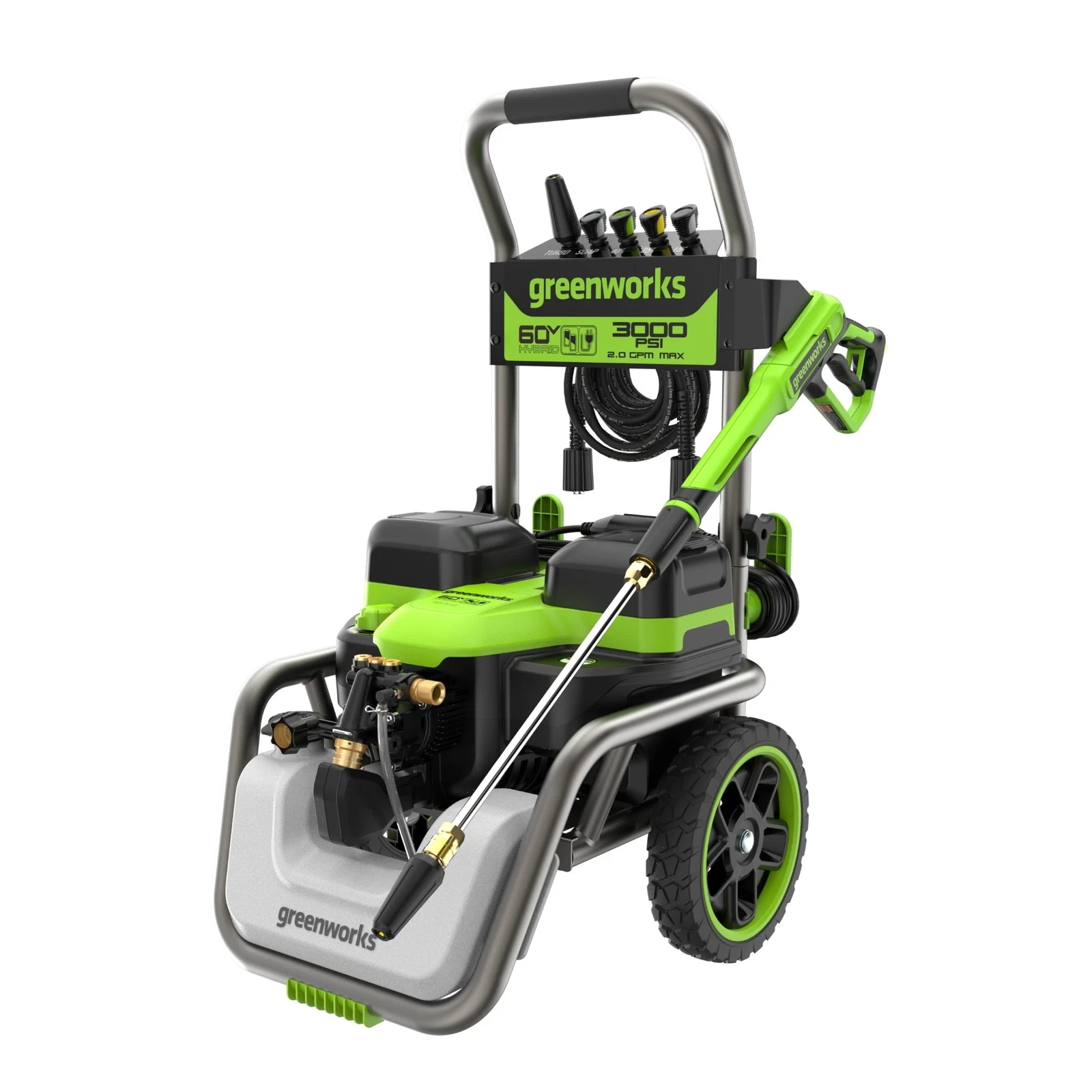
Driveways do not care what powers the machine. They care about water, time, and how much patience you have left after dragging hoses across the yard. That is why the GreenWorks 60V electric pressure washer is getting attention from homeowners who once thought gas was the only serious choice. It brings the usual draw of battery gear: no fuel can, no oil smell, no pull cord argument before the job starts.
For U.S. buyers watching outdoor tool trends through consumer product news, the appeal is easy to understand. Greenworks lists its 60V model with 3000 PSI and 2.0 GPM, numbers that put it closer to heavier home-duty cleaning than the weak “rinse the patio chair” machines people remember. Public sales rankings shift by retailer and date, so the smarter question is not whether one unit beats every gas model in every cart. The better question is why so many homeowners are ready to replace gas at all. The answer starts in the garage, not on a spec sheet.
Why This Electric Pressure Washer Is Pulling Buyers Away From Gas
The old pressure washer rule was simple: if you wanted force, you bought gas. That made sense when battery tools were mostly drills, leaf blowers, and small yard gadgets. A driveway washer felt like a different category. It needed water flow, steady pressure, and enough run time to finish a filthy job without turning the work into a test of patience. The new buyer is not always chasing the loudest motor. Often, that buyer wants a washer that can clean a front walk before dinner, rinse a fence after spring pollen, and go back on the shelf without smelling like fuel. That shift sounds small until you remember how many home tools fail because they are a pain to start.
The Real Enemy Is Not Dirt, It Is Setup
Most homeowners do not pressure wash every weekend. They notice the algae on the north side of the fence, ignore it for a month, then clean it when guests are coming or when the HOA letter shows up. That is exactly where gas machines lose points. You need fuel, oil checks, storage space, and a spot far enough from doors and windows to avoid exhaust drifting where it should not. By the time the engine starts, the chore already feels bigger than it should.
A 60V pressure washer changes the mood before the trigger is pulled. You still have to connect the hose, choose the nozzle, and respect the surface. Yet the machine feels less like a small engine project. That matters more than people admit. The washer you can start without a fight is the washer you use before grime turns into a full Saturday. For a parent in Texas trying to clean muddy porch steps before a cookout, that can be the whole sale.
The counterintuitive part is that peak power may not be the reason buyers switch. Lower friction can beat higher force. A gas unit sitting untouched in the garage does not clean better than a battery pressure washer that comes out twice as often for short, timely jobs. A tool with less drama can produce cleaner siding across a whole season because it gets used when the dirt is still thin.
Power Ratings Finally Feel Less Like a Compromise
Greenworks advertises 3000 PSI and 2.0 GPM on this model, and those two numbers explain much of the buzz. PSI helps break grime loose, while GPM moves the loosened mess away. Buyers often chase PSI alone, then wonder why the cleaning feels slow. Flow is the quiet half of the story. A washer with decent force and weak flow can act like a sharp pencil. It marks a line, but it takes forever to cover a page.
Popular Mechanics singled out the 60V Greenworks unit in its cordless washer coverage because its pressure and flow sit far above the smaller portable options in that group. The review framed it as closer to corded home-duty machines than pocket-sized rinse tools. That distinction matters. A weak cordless sprayer is fine for patio cushions. It is not what most people mean when they talk about a gas pressure washer alternative.
Still, numbers are not magic. Old concrete with oil stains may need pretreatment. Soft cedar fencing can scar if you get careless. Painted trim can lift if you use the wrong tip. Better power does not remove judgment. It raises the ceiling for normal home jobs, which is the point. The buyer gets less compromise without being pushed into the upkeep habits of a small-engine owner.
The Homeowner Math Behind the Shift
Price gets attention, but ownership decides whether a tool feels worth keeping. Gas machines can look attractive on a shelf because the sticker price may be familiar. Then the small costs arrive in pieces: fuel, oil, spark plugs, carb trouble, winter storage, and the time spent remembering how you stored it last fall. Greenworks itself promotes electric models around lower upkeep, including no oil changes, no fuel refills, and no spark plug swaps. Those chores are not hard for everyone, but they are the exact chores many homeowners want to remove from their weekends. A cleaner ownership loop can matter as much as raw cleaning force.
Maintenance Is Where Gas Starts Feeling Old
A homeowner in Ohio who washes a deck in May, a driveway in July, and patio stone before Labor Day is not using a washer like a contractor. That person wants a machine that wakes up when needed. Gas can do the job well, but seasonal use is hard on small engines. Fuel gums up. Pull cords get stubborn. A carburetor problem can turn a quick clean into a repair bill. The more months a machine sits, the more those small risks grow.
A battery pressure washer skips that whole side quest. Charge the packs, keep the pump from freezing, rinse the nozzles, and store it with some care. There is still maintenance, but it is not engine maintenance. That difference is why suburban garages are filling with battery mowers, blowers, trimmers, and now stronger washers. People are not only buying power. They are buying fewer ways for Saturday to go sideways.
The non-obvious savings are emotional. People talk about dollars, yet the bigger win is not feeling punished for owning the tool. A machine that does not demand engine care fits the way many homeowners handle chores: in small windows, after work, between kids’ activities, before a storm rolls in. It is easier to clean a dirty trash bin on a Tuesday evening when the machine does not ask for a fuel check first.
Battery Ownership Changes the Value Equation
The 60V pressure washer makes the most sense when the batteries are part of a wider yard system. If you already own Greenworks 60V lawn gear, the washer is not an isolated purchase. It becomes one more job handled by the same battery shelf. That is where the math starts to tilt. A battery that trims the yard on Saturday can help clean the patio on Sunday, which makes the platform feel less like a collection of separate purchases.
A buyer starting from zero should think harder. Batteries add cost, and high-output cleaning drains power faster than trimming grass along a fence. The benefit is not that batteries are free. The benefit is that one platform can reduce the mess of owning several machines with several fuel or charging needs. For many households, that is cleaner than saving a few dollars on a gas unit that feels annoying to use.
This is also where outdoor cleaning checklist planning helps. If your yearly jobs include siding touch-ups, trash bin cleaning, patio cleanup, and car mats, cordless convenience carries weight. If you only blast a long rural driveway once a year, renting or using gas may still make sense. That is why the gas pressure washer alternative label should be tied to lifestyle, not ego. It is a good swap when the work pattern fits.
Where Battery Power Wins, and Where Gas Still Has Teeth
A strong battery unit does not erase gas from the map. It narrows the reasons to buy it. That is a healthier way to judge the tool. Too many buyers treat product categories like sports teams. The better move is to match the machine to the mess. A homeowner in Phoenix fighting dust on patio tile needs a different setup than a contractor washing farm equipment in Iowa. Both may want clean surfaces, but they do not have the same workday. The GreenWorks 60V model belongs in that middle space where serious home cleaning meets normal home patience.
The Best Jobs Are Frequent, Messy, and Close to Home
The GreenWorks model is built for the jobs most homeowners put off because setup feels like a chore. Think vinyl siding with pollen stuck in the seams. Think muddy mower decks after spring rain. Think patio pavers that look dull under a film of soil. These are not industrial jobs. They are the kind of jobs that make a home look neglected even when nothing is broken. That is why convenience carries more weight than it gets in product listings.
A 60V pressure washer is also handy for quick resets. After a backyard barbecue, you can rinse the greasy area near the grill. After a muddy soccer weekend, you can clean cleats, mats, and the garage threshold. That kind of work does not need the roar of a gas engine. It needs a tool close enough to grab. Many homeowners clean more when the task feels like washing a surface, not preparing equipment.
Good Housekeeping’s recent testing praised a Greenworks Pro 3000 PSI unit for strong cleaning on tough surfaces, while also noting the size and setup demands that come with more serious machines. Its 2026 guide also pointed to the Greenworks Hybrid 60V model as a strong fit for buyers already in the brand’s battery line. That is the sweet spot: strong enough to matter, convenient enough to use often. It is not the smallest tool in the shed, but it avoids the old gas routine that many owners are tired of repeating.
Gas Still Makes Sense for Long, Punishing Sessions
Gas keeps an edge when the job is long, remote, and harsh. A large farm pad, a long stained driveway, equipment cleaning far from outlets, or repeated jobs across several properties can still favor fuel. You can refill a gas tank faster than you can recharge a battery. That matters when the work is measured in hours rather than minutes. No buyer should pretend a cordless home unit is a pressure washing trailer.
There is also the abuse factor. Some gas machines are built for contractors who expect rough transport, long hoses, and steady punishment. A homeowner-grade cordless washer should not be asked to live that life. It may perform well, but jobsite work has a way of exposing weak storage habits, rough handling, and unrealistic expectations. The right praise for battery gear is not that it makes gas pointless. It makes gas optional for a growing list of home jobs.
The safety angle cannot be ignored. The U.S. Consumer Product Safety Commission warns against using gasoline engine-powered tools in or near enclosed spaces because carbon monoxide can build up fast, even when doors or windows are open. That does not make every gas washer unsafe. It means buyers need to respect where gas belongs. For garage-adjacent cleaning, a battery unit removes one risk from the setup. That single difference can matter when people are washing near mudrooms, basement entries, or attached garages.
How to Decide Before You Buy
The smartest purchase starts with a dull question: what will you clean during the next twelve months? Not the fantasy list. The real list. A washer bought for a dream project often ends up buried behind bikes, mulch bags, and holiday bins. A washer bought for repeat chores tends to earn its space. Think about how often you notice grime and decide to ignore it because the setup feels annoying. That gap between noticing and acting is where this category is winning.
Match the Machine to Your Surfaces
Concrete can take more force than painted wood. Composite decking needs a gentler hand than old brick. Vinyl siding often needs the right detergent and a wide spray more than raw pressure. The washer is only half the system. The nozzle, distance, cleaner, and patience decide whether the result looks fresh or damaged. This is where a powerful home unit rewards care and punishes guesswork.
Before buying, walk your property. List the jobs by surface, not by room. Driveway, pavers, siding, fence, deck, outdoor furniture, trash bins, vehicles. Then mark the jobs that happen more than once a year. If three or more are close to the house and do not need all-day run time, a battery pressure washer starts to look sensible. If most of the work sits far from water, power, and charging, be more cautious.
A home maintenance buying guide can also keep the decision grounded. You do not need the biggest rating for every chore. You need enough cleaning force, enough flow, safe handling, and a tool you will not avoid using. The best purchase is often the one that fits your habits instead of flattering your toughest possible project.
Think About Storage, Noise, and Neighbors
Noise rarely shows up as the headline feature, but it shapes how often people clean. In a tight California suburb or a New Jersey townhome row, a loud gas engine can turn a quick chore into a social event. Battery equipment is not silent. The pump still works, and water still hits hard surfaces. But the missing engine note changes the way the job feels. You can clean earlier, stop sooner, and work without feeling like the whole block is listening.
Storage is another quiet deal-maker. No fuel smell means fewer worries near holiday decorations, sports gear, or indoor entry points. No gas can means one fewer spill risk. For homeowners with attached garages, that matters. It is not glamorous. It is the difference between a tool that fits your life and one that keeps asking for special treatment. The more crowded the garage, the more this matters.
The non-obvious point is that convenience can protect surfaces. When cleaning is easy, you are more likely to use lower pressure sooner. Waiting too long often leads people to attack stains with force. Earlier cleaning with a gentler setup can be kinder to wood, paint, grout, and sealant. A stronger washer used wisely can be less damaging than a weaker plan delayed until everything looks awful.
Conclusion
The rise of battery outdoor tools has reached the point where old assumptions deserve another look. Gas is still useful, and for the longest, dirtiest jobs it may remain the better call. Yet most American homeowners are not running a cleaning crew. They are trying to keep a driveway, deck, fence, and patio from getting ahead of them.
That is where the GreenWorks 60V electric pressure washer makes its strongest case. It does not need to beat every gas model in a lab to win a spot in the garage. It needs to be powerful enough for real chores and easy enough that people use it before grime wins. The official 3000 PSI and 2.0 GPM rating gives it the numbers shoppers want, while the battery format solves the hassle many owners dislike.
Buy it if your cleaning life is frequent, local, and tied to normal home upkeep. Skip it if you need hours of nonstop work far from charging options. The best tool is not the loudest one. It is the one that makes the job happen.
Frequently Asked Questions
Is the GreenWorks 60V washer strong enough for driveway cleaning?
Yes, for normal residential concrete with dirt, algae, and surface grime. Oil stains, rust, and years of deep buildup may need pretreatment first. Use a proper surface cleaner or wide tip, and test a small area before working across the full driveway.
How long does a 60V pressure washer battery last?
Run time depends on battery size, nozzle choice, pressure mode, and how often you hold the trigger. Short cleaning bursts last longer than nonstop spraying. For larger jobs, two charged batteries make the work smoother and reduce mid-job waiting.
Is a battery washer better than a gas washer for home use?
For many homeowners, yes. The battery model is easier to start, cleaner to store, and simpler to maintain. Gas still wins for long sessions, rough work, and remote cleaning where charging is not practical.
Can I wash a car with the GreenWorks 60V model?
Yes, but use a wide spray tip, keep distance from paint, and avoid blasting trim, sensors, badges, and seals. A foam cannon or gentle detergent can help remove road film without leaning too hard on pressure.
What surfaces should I avoid cleaning with high pressure?
Avoid using high pressure on old mortar, loose paint, soft wood, asphalt shingles, window seals, and damaged concrete. The safest move is to start with a wider nozzle, stand farther back, and increase force only when the surface can handle it.
Does a cordless washer need a garden hose?
Most home cleaning works best with a garden hose connection. Some models can draw from a standing water source with the right siphon setup, but flow can vary. A steady hose supply gives better results for patios, siding, and driveway work.
Is the GreenWorks 60V system worth it if I own no batteries?
It can be, but the value is stronger if you plan to buy more 60V yard tools. Batteries raise the first purchase cost. If this will be your only cordless outdoor tool, compare the full kit price against a corded or gas option.
What should I check before storing it for winter?
Drain water from the pump, hose, wand, and nozzles. Store batteries indoors within the temperature range the manual recommends. Keep the washer somewhere dry, and protect the pump from freezing because trapped water can expand and cause damage.