
 By Michael Caine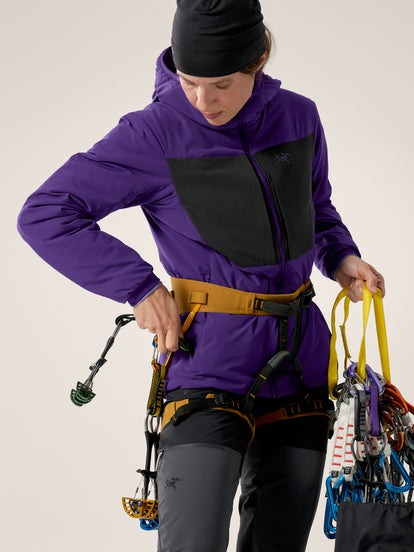
Cold-weather gear does not sell out by accident anymore. The Proton Hoody fleece has become one of those pieces U.S. hikers, climbers, skiers, and daily commuters watch because it solves a common problem: staying warm while moving without feeling trapped in a plastic bag. That matters in Colorado skin tracks, damp New England trailheads, and windy school drop-offs in Chicago. An Arc’teryx restock gets attention because buyers know popular sizes and neutral colors can vanish fast. For readers who follow outdoor drops through outdoor gear restock coverage, the smart move is not panic buying. It is knowing whether this breathable insulated hoody fits your actual life. Arc’teryx describes the current men’s model on its official product page with 80gsm Coreloft Compact insulation, Fortius Air 20 nylon, air-permeable fabric, and a helmet-compatible insulated hood, which puts it in the active insulation jacket lane rather than the parked-at-camp puffy lane.
Why the Restock Matters to U.S. Buyers
A restock is more than a store page turning from gray to green. For Arc’teryx buyers in the United States, it often feels like a small timing test. You may have the money ready, the color picked, and the size chart open, yet the practical question remains: is this the layer you will wear three times a week, or one more expensive thing waiting in the closet?
The sellout pattern says more about use than hype
Some outdoor products disappear because they look good on social feeds. This one draws a different kind of attention. The Proton sits in that hard-to-fill space between a fleece and a puffy, which is why it keeps pulling in people who already own both. A classic fleece breathes well but can feel weak in wind. A down jacket warms fast but gets sweaty when you start climbing, walking uphill, or scraping ice off a windshield before work.
That middle space is where American buyers tend to get picky. Someone in Salt Lake City may want one piece for a dawn approach and a grocery stop after. A runner in Minneapolis may throw it on over a thin base layer for a cold dog walk. Those uses sound casual, yet they punish bad gear. If a jacket overheats after ten minutes, it stops being part of the daily rotation.
The non-obvious point is that sellouts do not always mean a piece is the warmest or most famous. Often, they mean the piece removes a small annoyance people feel over and over. In this case, that annoyance is moisture. You can buy more warmth anywhere. Finding warmth that behaves while you move is harder.
That is why the conversation around this jacket feels different from the usual limited-color rush. Buyers are not only chasing a logo. Many are trying to replace a messy two-layer system that never feels right. Less packing, fewer decisions, and a cleaner morning routine can be enough to make a restock matter.
This is where outdoor retail and daily wear overlap. A piece designed for rock and ice can end up hanging by the front door because it handles the school run, the airport, and the early gym drive. Gear brands do not always plan that second life, but buyers notice it fast.
Why active layers disappear before the first cold snap
Outdoor shoppers used to wait for deep winter before buying insulated layers. That habit has changed. Many now buy before the first hard freeze because the best sizes are gone once weather apps start showing morning lows in the 30s. An Arc’teryx restock can turn into a rush when buyers remember last season’s empty racks.
There is also a U.S. geography problem. The same jacket can make sense for shoulder-season hiking in Oregon, ski-town errands in Wyoming, and chilly bike commutes in Washington, D.C. That broad use pulls demand from several buyer groups at once. Climbers are not the only people watching. Parents, travelers, photographers, and remote workers who walk at lunch are in the same line.
Weather has also become less predictable in how people plan for it. A buyer in Denver may see sun, wind, and snow flurries in the same weekend. A heavy coat feels clumsy in that mix, while a thin hoodie can feel exposed. A breathable middle layer becomes the safer bet because it covers the widest number of ordinary cold days.
That does not mean everyone needs one. It means the decision window is shorter than people expect. The better approach is to decide before the restock lands. Know your use, size, and color range. Then the buy/no-buy choice becomes calm instead of frantic.
How the Proton Hoody Fleece Fits Real Outdoor Use
The strongest case for this layer starts once you stop treating it like a normal jacket. It is not built to sit still in a freezing stadium for three hours. It is built for the person who warms up, cools down, starts again, and hates changing layers every mile. That is a smaller promise, but a more useful one.
What breathable insulation feels like on the move
A breathable insulated hoody should feel a little strange at first if you are used to heavy puffies. You may notice air moving through the system. That is not a flaw. It is the reason the piece can stay on during steady effort instead of getting stuffed into a pack after the first hill.
Think about a spring climb in Red Rock, a snowy hike near Boulder, or a cold morning loading skis in Vermont. You start cool, then your body heats faster than the air around you. A less breathable jacket turns that heat into sweat. Then you stop, and the sweat turns cold. The Proton idea is to reduce that swing so you stay closer to comfortable.
This is also where fit and fabric matter together. If the layer pulls across the shoulders, you will notice it every time you reach. If the cuffs fight your gloves, you will notice that too. Breathability helps, but movement is the other half of comfort. A technical layer has to disappear while you are doing something hard.
The catch is that breathable gear asks for honest expectations. It will not block wind like a hard shell. It will not feel like a belay parka. Its value sits in motion. That is why many people who first call it “not warm enough” later find they wear it more than their warmer jacket.
Why it can beat a warmer jacket in mixed weather
Warmer is not always better. That sounds wrong until you spend a day in stop-start weather. On a shoulder-season hike, a hot jacket can make you sweat on the climb, then punish you on the ridge. A moderate active insulation jacket may keep you drier, which can feel warmer over the full day.
This matters for U.S. users because many local outings are messy. A Saturday may include a cold trailhead, a sunny climb, wind at the overlook, and a heated car ride home. A single layer that handles most of that range has value even if it never wins a warmth contest on paper.
The same logic applies to town use. A breathable insulated hoody can work over a T-shirt on a mild fall morning or under a shell when rain starts. It also looks clean enough for errands, which matters more than gear purists admit. The jacket that works only on trips is easy to leave behind. The one that works on Tuesday gets worn.
The counterintuitive part is that a less dramatic jacket often gets more real use. It does not make every cold day feel like an expedition. It makes ordinary cold movement less annoying. For many buyers, that practical calm is worth more than one giant burst of warmth.
Sizing, Layering, and Buying Checks Before You Order
When a popular jacket comes back, the easiest mistake is buying the size that exists instead of the size that works. Restock pressure makes people sloppy. That is how you end up with sleeves that fight your gloves, a chest that pinches over a base layer, or a hem that rides up under a pack belt.
How to choose your size without overthinking it
Start with how you plan to wear it. If it will be your outer layer over a light base and thin grid fleece, your usual Arc’teryx size may make sense. If you want it under a shell, avoid sizing up unless you need the room. Too much extra fabric can bunch at the shoulders and make the hood feel awkward under weather protection.
The sleeve and shoulder fit matter more than the mirror fit. Raise your arms as if you are placing a tool, reaching for a roof box, or pulling a pack strap. If the hem climbs high or the shoulders bite, the clean standing fit means little. Good mountain clothing earns trust while your body is in odd positions.
For shoppers between sizes, think about climate. A buyer in Seattle may prefer a closer fit for layering under rain gear. Someone in Montana may want room for a warmer base layer in early winter. Neither choice is wrong. The wrong choice is pretending one fit serves every use.
Do not ignore what you wear under it most often. A cotton hoodie changes the fit more than a thin merino base layer. A camera strap, climbing harness, or commuter backpack can also change how the jacket feels after twenty minutes. The best size is the one that works with your actual habits, not the cleanest photo in a mirror.
What to inspect when a restock lands
Before checkout, look beyond color. Check the product name, gender cut, return policy, shipping timing, and whether the seller is authorized. Popular Arc’teryx pieces can appear on sketchy pages during demand spikes. A low price means nothing if the item is wrong, used without clear notice, or impossible to return.
Pay attention to the hood and pockets too. A helmet-compatible hood is great for climbing and snow use, but some daily wearers prefer a trimmer hood. Chest pockets help with phones, snacks, and gloves, especially when hip-belt pockets are blocked by a pack. Small design choices decide whether a jacket feels natural or fussy.
Restock pages can also make older and newer versions look closer than they are. Read the product details before assuming every Proton listing is the current piece. If a retailer uses old photos or vague names, slow down. A bargain stops being a bargain when you receive a model you did not mean to buy.
Here is the quiet trick: decide your backup color before the drop. If black sells out, maybe blue or green still works. If every acceptable color is gone, walk away. A restock is not a command. It is only a chance to buy the right item.
Is It Worth the Price Compared With Similar Layers?
Price is where the romance ends. Arc’teryx gear is expensive, and the Proton sits in a crowded field with fleece hoodies, synthetic puffies, softshells, and hybrid layers all claiming to handle active days. The fair question is not whether the brand has status. The fair question is whether the piece reduces enough friction to earn its spot.
Where it earns its money
It earns its money when you keep reaching for it without thinking. That can happen when a jacket covers your most common weather window: cool, breezy, dry or lightly damp, and active. If you hike after work, climb on weekends, travel with one carry-on, or want a cleaner layer for errands, the cost spreads across many wears.
Build details matter here. The official design notes point toward breathability, regulated warmth, and movement, not blanket-like heat. For buyers comparing options, that makes the Proton closer to a tool than a fashion purchase. It has a job. If that job matches your week, the value picture changes fast.
Use it next to a guide to choosing an active insulation jacket, not next to a heavy parka. That comparison keeps the decision honest. A parka wins at standing still. A thin fleece wins on price. The Proton argues for the middle, where one layer can cover more of the awkward in-between.
There is resale logic too, though it should not drive the purchase. Well-liked technical jackets from strong brands often hold more interest than random midlayers, but resale only helps if you care for the piece and pick a wearable color. Buy it first for use. Any later value is a bonus, not the reason.
When another jacket makes more sense
Skip it if your main need is maximum warmth while inactive. Watching kids’ soccer in January, sitting at a campsite, or waiting outside a restaurant in a cold wind calls for more insulation or better wind blocking. A shell over the Proton can help, but that adds cost and planning.
Skip it if you destroy clothing at work. The face fabric is made for mountain movement, but daily abrasion from lumber, sharp tools, concrete edges, or greasy shop tasks can make a cheaper work layer smarter. Good gear is not precious, but it should not be wasted where a canvas jacket would laugh.
A better buy may be a simple fleece plus rain shell if you mostly walk in town. You can also compare fit and use cases through an Arc’teryx jacket comparison checklist before spending premium money. The point is not to crown one jacket. It is to buy the layer that solves your coldest recurring problem.
That last phrase matters: recurring problem. One cold vacation does not require a premium layer. Five months of chilly starts, wet sidewalks, shoulder-season hikes, and packed travel days might. The math changes when the jacket becomes part of the week instead of a rare trip item.
The smarter comparison is cost per trusted wear, not cost per ounce. If you avoid a jacket because it feels clammy, bulky, or too fragile for a pack strap, its sale price did not save you much. A higher price can be fair when the piece gets chosen on tired mornings without debate.
Conclusion
The restock buzz makes sense, but the smartest buyers will slow the moment down. A popular jacket can be both worth watching and wrong for your closet. The best signal is not the logo, the resale talk, or the fear of missing out. It is whether your normal week includes enough cold movement to make this kind of layer earn repeat use.
For many U.S. buyers, the Proton Hoody fleece works because it fills the annoying gap between a fleece that leaks warmth and a puffy that traps too much heat. That gap shows up on trailheads, sidewalks, ski lots, dog walks, and shoulder-season travel days. If that sounds like your life, know your size and buy from a trusted seller when stock returns. If not, save the money for the layer you will wear hard. The right jacket should make getting outside feel easier, not make your closet look richer.
Frequently Asked Questions
How warm is the Arc’teryx Proton Hoody for winter use?
It is warm enough for cool active use, but not built as a deep-winter standing layer. It works best when your body is producing heat through hiking, climbing, skiing, or fast walking. Add a shell or heavier jacket for long inactive periods.
Is the Proton better than the Atom for active use?
It can be better for steady movement because it focuses on breathability and abrasion resistance. The Atom may feel cozier for casual wear. Pick the Proton for higher-output days and the Atom for easier town use or lighter outdoor tasks.
Should I size up in the Arc’teryx Proton Hoody?
Most buyers should start with their normal size, then adjust based on layering plans. Size up only if you need room for thicker layers underneath. For shell layering, a closer fit often works better and reduces bunching.
Can this jacket replace a fleece?
It can replace a fleece for many cool-weather outings, especially when light wind and added warmth matter. A plain fleece still wins on price, softness, and indoor comfort. The Proton makes more sense when outdoor movement is the main use.
Is it good for skiing or snowboarding?
It can work well as a midlayer for resort skiing or touring when paired with a shell. It is not a full outerwear system by itself in wet storms. Backcountry users may like it most during climbs, transitions, and mild downhill laps.
Why does the Proton sell out so often?
Demand comes from several groups at once: climbers, hikers, skiers, travelers, and everyday buyers who want one technical layer for mixed weather. Popular sizes and darker colors tend to move first when fresh stock appears.
What should I check before buying from a restock?
Check the exact model name, size, seller, return policy, color, and delivery date. Confirm that the store is trusted before paying. During demand spikes, fake listings and unclear resale pages can appear around popular outdoor gear.
Is the Arc’teryx Proton Hoody worth the money?
It is worth it if you need breathable warmth for frequent movement in cool weather. It is harder to justify for rare hikes, indoor wear, or static winter use. Cost makes sense only when the jacket solves a problem you face often.