
 By Michael Caine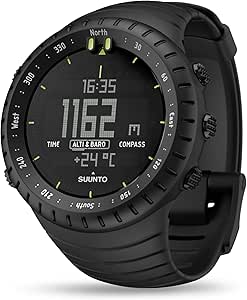
Military watch culture has a strange way of ignoring hype and keeping what works. That is why Suunto Core keeps showing up in gear chats, field kits, range bags, and off-duty hiking setups, even while brighter smartwatches fight for attention. The title may make buyers think of satellite tracking, but the real appeal is different: this is an ABC-style outdoor watch built around altimeter, barometer, compass, weather tools, time functions, and a user-replaceable CR2032 battery rather than app-heavy features. Suunto’s own U.S. product page describes the All Black model as a traditional outdoor watch for off-grid adventures with ABC and weather information, mineral crystal, aluminum bezel, 12-month time-mode battery life, and 30-meter water resistance. For U.S. buyers comparing field gear, that low-noise setup matters. A quiet watch can be more useful than a crowded screen. Readers following practical gear market updates are seeing the same pattern: the military community often rewards gear that feels boring until the day it earns its place.
Why Suunto Core Still Gets Military Attention
The military crowd does not treat watches like fashion alone. Looks matter, sure, but the deeper test is whether the watch can stay useful during long days, rough handling, poor signal, wet weather, and tired decision-making. That is where the All Black model keeps finding its lane. It gives you information without asking you to manage a tiny phone on your wrist.
The all-black military watch appeal is more practical than cosmetic
The all black military watch look works because it disappears. A black case, black strap, and negative display do not shout from the wrist. That matters for people who wear gear with uniforms, boots, muted jackets, or field layers. It also fits the civilian side of tactical style, where the best piece of gear often looks plain at first glance.
There is a tradeoff. Negative displays can be harder to read in dim light than high-contrast positive screens. Some buyers love the stealth look and later realize they need the backlight more often. That does not make the design bad. It means the watch is honest about its priorities: low glare, low flash, and a restrained profile.
A soldier on a weekend ruck, a firefighter doing hill training, or a veteran hiking in Colorado may all want the same thing. They want a watch that does not feel delicate. The Core All Black gives that impression without trying to look like a toy command center.
Why simple field data can beat a crowded smartwatch
The surprising reason this model keeps coming back is not that it does more. It does less, and that can be the win. A smartwatch can track workouts, messages, maps, sleep, calls, music, and notifications. That sounds powerful until your wrist keeps buzzing while you are trying to stay focused.
The Core All Black is closer to an instrument. It gives elevation, air pressure trends, compass bearing, time, alarms, sunrise and sunset times, and storm alerts. Suunto’s technical data also lists an altimeter display range from -500 meters to 9,000 meters, barometer readings, a thermometer, a compass with 1-degree resolution, and 30-meter water resistance.
That kind of information feels old-school until you need it. On a long trail day in the White Mountains, a pressure drop can matter more than another app notification. On a training weekend, a compass bearing can help you keep your head straight when your phone stays packed away.
What the Core All Black Actually Does in the Field
A tactical outdoor watch has to earn trust in small moments, not marketing copy. Nobody cares about a feature list when rain is coming sideways or a trail junction looks wrong. The All Black model works best when you treat it as a backup brain for weather, elevation, direction, and time.
Altimeter barometer compass tools make sense off-grid
The phrase altimeter barometer compass sounds plain, but it explains most of the watch’s value. The altimeter helps estimate elevation change. The barometer watches air pressure. The compass helps with direction when you already know how to read terrain, maps, or route notes.
Here is the catch many new buyers miss: these tools need judgment. A barometric altimeter can be affected by weather changes because pressure shifts are part of how the watch estimates altitude. If you set a reference point at a known trailhead, you get a better read. If you never calibrate it, you may blame the watch for a user problem.
That is not a weakness in the field. It is the point. The watch rewards people who understand their gear. A Marine veteran hiking in Utah, for example, may set known elevation at the start, watch pressure trends through the day, and use the compass as a quick check instead of treating it like a full navigation system.
Storm alerts and sunrise data fit real outdoor decisions
Weather features do not replace a forecast, but they can help when the forecast is no longer in front of you. The All Black model includes a storm alarm and weather trend tools, while Suunto’s product page lists weather functions among its core highlights. That matters for hunters, backpackers, overlanders, and anyone training far from easy shelter.
Sunrise and sunset times sound minor until you are managing daylight. In late fall, a hike that feels relaxed at noon can turn serious by 4:30 p.m. A simple sunset reminder can push you to turn back before pride starts making decisions.
The non-obvious point is this: the watch is not trying to predict your day. It gives prompts. Pressure dropping, light fading, elevation changing, bearing drifting. You still have to think. That is why field-minded users respect it.
For deeper buying comparisons, readers can pair this guide with outdoor gear buying guides and a tactical watch comparison before choosing between an ABC watch and a modern smartwatch.
Why the Military Community Shares It Again and Again
Gear goes viral in military circles for different reasons than it does on lifestyle pages. A product does not need to be new. It needs to feel proven, easy to explain, and useful across many roles. The Core All Black has that rare mix of old credibility and current relevance.
The tactical outdoor watch niche rewards restraint
A tactical outdoor watch does not need to look like it belongs in a science fiction movie. In fact, many experienced users avoid gear that looks overbuilt for photos. They want buttons they can press with gloves, a case they do not baby, and functions they can understand when tired.
The All Black model fits that mindset. The case is large enough to read, the strap is simple, and the button layout feels more like equipment than jewelry. Suunto’s U.S. page lists an elastomer strap, composite case, aluminum bezel, mineral crystal, and 64-gram weight. Those specs put it in the practical middle: not tiny, not metal-heavy, not fragile-looking.
The mild irony is that its popularity online comes from being less online. It has no need to prove itself with a fresh launch cycle. People share it because it feels like a known quantity, which is rare in a watch market trained to chase annual upgrades.
Military-style buyers care about failure points
The best field gear often wins by removing things that can fail. A rechargeable watch can be great, but it adds cable habits, battery anxiety, software updates, and charging routines. A phone-connected watch can be useful, but it depends on an ecosystem that may not matter outdoors.
The Core All Black uses a CR2032 battery, and Suunto lists the battery as user-replaceable. That single detail carries weight. It means a buyer can keep spare cells in a drawer, repair kit, glove box, or field pouch. No charging puck. No dead smartwatch on day two because somebody forgot the cable.
That does not mean it beats every modern GPS model. It does not. A runner who wants route maps, pace tracking, heart-rate training, and phone sync should look elsewhere. But a buyer who wants a durable all black military watch for time, weather, direction, and elevation may see fewer features as fewer headaches.
How U.S. Buyers Should Judge the Hype Before Buying
Viral gear can create lazy expectations. People see a watch in military groups and assume it must fit every outdoor need. That is where smart buyers slow down. The Core All Black is a strong pick for a certain kind of user, but it is not the right answer for everyone.
Do not buy it expecting full GPS behavior
This is the biggest correction buyers need. The All Black model is better understood as an ABC outdoor watch, not a modern navigation smartwatch. Its official product language centers on altimeter, barometer, compass, weather, watch functions, battery life, and snorkeling depth, not turn-by-turn mapping or satellite route tracking.
That difference matters. If you want breadcrumb trails, app route uploads, recovery metrics, pace alerts, and phone notifications, you will likely be happier with a GPS sports watch. If you want a low-distraction wrist tool for elevation, pressure, bearing, and time, the Core All Black makes more sense.
A buyer in Arizona planning desert hikes might carry a phone, a paper map, and this watch as a quick-reference tool. A buyer training for ultramarathons may find it too limited. Same product. Different mission.
The best value comes from knowing your use case
Price drops and viral buzz can push people into quick buys. Slow down for one minute. Think about what you actually need on your wrist when your hands are cold, your phone is buried, or rain is starting.
Choose the Core All Black if you value simple controls, long battery life, weather awareness, and a subdued military look. Skip it if you need training analytics, onboard GPS routes, color maps, music controls, or smartwatch apps. A field watch should match your habits, not your fantasy version of yourself.
The counterintuitive buyer tip is simple: this watch gets better when you stop asking it to be modern. Treat it like a compact instrument, and it makes sense. Treat it like a cheap smartwatch alternative, and you may miss why people still talk about it.
Conclusion
The Core All Black has not stayed popular by chasing every new feature. It has stayed relevant because it serves a narrow job with discipline. That matters in the military community, where gear earns trust through repeat use, not shiny promises. The reason Suunto Core keeps pulling attention is simple: it gives outdoor data, a quiet profile, and battery independence without turning your wrist into a distraction box. Buyers still need clear expectations. This is not the model for full GPS routing, app alerts, or advanced training dashboards. It is better for people who want an altimeter barometer compass setup, weather cues, time tools, and a blacked-out design that feels at home with field gear. Before buying, decide whether you need a connected computer or a dependable wrist instrument. Pick the one that matches your real life, not the one that looks best in a comment thread.
Frequently Asked Questions
Is the Core All Black a true GPS watch?
No. It is better understood as an ABC outdoor watch with altimeter, barometer, compass, weather tools, and time functions. Buyers who need route tracking, maps, or satellite-based workout data should compare modern GPS sports watches instead.
Why is the All Black model popular with military users?
Its appeal comes from the subdued design, outdoor functions, long battery life, and simple operation. The black case and strap fit military-style gear, while the feature set avoids the distractions that come with many connected smartwatches.
Is the negative display easy to read outdoors?
It can work well in daylight, but it may be harder to read in dim conditions than a positive display. Buyers who value stealth styling often accept that tradeoff. People with weak eyesight may prefer checking it in person first.
What does an altimeter barometer compass watch help with?
It helps track elevation changes, pressure trends, and direction. Those tools can support hiking, camping, hunting, land navigation practice, and general outdoor awareness. They work best when the user understands calibration and basic navigation habits.
How long does the battery last?
Suunto lists up to 12 months of battery life in time mode, with a user-replaceable CR2032 battery. Actual life can vary with backlight use, alarms, logs, and outdoor functions, but it avoids daily or weekly charging routines.
Is the Core All Black good for hiking in the USA?
Yes, for hikers who want weather awareness, elevation readings, compass checks, and a rugged-looking watch without phone alerts. It should not be your only navigation tool on remote U.S. trails. Carry a map, phone, or GPS device when needed.
Can this watch replace a Garmin or Apple Watch?
Only for buyers who want fewer connected features. It cannot replace advanced GPS tracking, health metrics, maps, apps, or phone sync. It can replace them for users who mainly want time, weather, direction, elevation, and low distraction.
Who should avoid buying this watch?
Runners, cyclists, data-heavy athletes, and anyone who wants maps or phone notifications should look at GPS smartwatches. The Core All Black fits buyers who prefer field simplicity, military styling, long battery life, and basic outdoor instruments.