
 By Michael Caine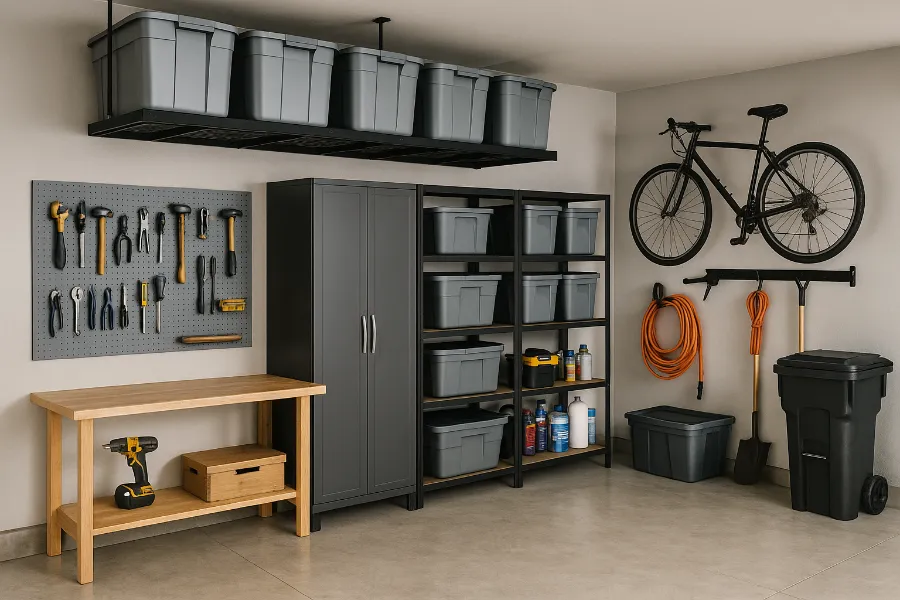
A messy garage steals space from the rest of your house without asking permission. One day it holds a few tools and holiday bins; a year later, you are stepping over paint cans, sports gear, extension cords, and mystery boxes you have not opened since the last move. For many American homes, the garage has become the room that absorbs every delayed decision. That is exactly why garage storage deserves more thought than a Saturday afternoon cleanup.
A practical garage does not need showroom cabinets or a wall of matching bins. It needs honest choices, smart zones, and storage that fits how your family actually lives. Homeowners searching for better organization often turn to neighborhood advice, home improvement guides, and trusted online resources such as practical home improvement ideas because the goal is not perfection. The goal is a space that works on a normal Tuesday morning.
A better garage gives you back time, floor space, and peace of mind. More than that, it stops your home from feeling smaller than it is.
Garage Storage Tips Start With Honest Sorting
The first mistake most people make is buying shelves before facing the pile. Storage products can hide clutter, but they cannot fix the habit that created it. A good garage starts with a clear decision about what belongs there, what belongs somewhere else, and what no longer earns space in your home.
Sorting also feels harder in a garage because the items often carry future promises. The broken chair might get repaired. The old bike might be used again. The extra lumber might become a project. Maybe. But American garages are full of “maybe,” and maybe is expensive when it takes over usable square footage.
How to Separate Keep, Donate, and Toss Items
A strong sorting session begins with categories, not emotions. Tools go together. Lawn supplies go together. Sports gear, seasonal decorations, car care items, and household overflow each need their own area before you make final decisions. This prevents the classic garage mistake: keeping five half-used bottles of the same cleaner because they were scattered across different shelves.
The fastest test is simple: would you look for this item if it disappeared? If the answer is no, it probably does not deserve storage space. Families across the USA often keep duplicate items because they forgot they owned them, especially after moving, remodeling, or cleaning out a relative’s house.
Donation piles should leave the garage fast. A box marked “donate” can quietly become permanent clutter if it sits by the door for six months. Put it in the car the same day, schedule a pickup, or place it where it interrupts your routine until it leaves.
Trash decisions need the same discipline. Dried paint, cracked plastic bins, rusted hardware, empty packaging, and broken yard tools do not become useful with age. Keeping them only teaches your garage to hold failure instead of function.
Why Sentimental Storage Needs Limits
Sentimental items deserve care, but they also deserve boundaries. A garage is often the worst place for photos, school papers, fabric keepsakes, and family records because heat, cold, moisture, pests, and dust can damage them. Keeping these things in a random cardboard box is not respect. It is slow neglect.
Choose one or two sealed containers for keepsakes and label them clearly. This gives memory a home without letting it spread across the entire garage. The limit matters because sentimental storage grows quietly. One school project becomes a box, then three boxes, then an entire shelf nobody wants to sort.
A better rule is to save the most meaningful version of a memory. Keep the jersey, not every practice shirt. Keep the signed baseball, not the cracked bat no one remembers using. This does not erase the past; it protects the pieces that still matter.
Some items may need to move indoors. Photos, documents, and fragile keepsakes hold up better in climate-controlled spaces. The garage should carry durable items, not the emotional archive of the family.
Build Zones That Match Daily Home Life
Once the garage has been cleared of dead weight, the next job is assigning purpose. A garage without zones becomes a dumping ground again because every item competes for the same open space. Zones turn storage into a map your household can follow without a lecture.
This step matters most in homes where the garage serves several roles at once. One side may need space for a car, while another holds bikes, lawn tools, camping supplies, and bulk groceries from Costco or Sam’s Club. The goal is not to divide the space evenly. The goal is to place items where they make sense in real life.
Create a Tool Wall That Saves Time
A tool wall works because it makes missing items obvious. Pegboards, slat walls, magnetic strips, and wall-mounted hooks all serve the same basic purpose: they pull tools out of drawers and into view. That matters when a five-minute repair turns into a twenty-minute search for the right wrench.
The best tool zone sits near the workbench or wherever you handle small fixes. If your garage does not have a bench, even a narrow folding surface can work. Keep screwdrivers, pliers, tape measures, utility knives, drill bits, and fasteners within arm’s reach. Store specialty tools higher or farther away if you use them only a few times a year.
Labels help, but outlines help more. A marker outline around a hammer or wrench shows exactly where it belongs. That may sound fussy, yet it solves a common problem: people forget the label, but they notice an empty shape.
Do not turn the tool wall into a museum. The point is access, not display. If you never use a tool, it does not deserve prime wall space.
Design Seasonal Storage Around the Calendar
Seasonal storage works best when it follows the American calendar, not a random shelf pattern. Snow shovels, ice melt, pool gear, Halloween decorations, Thanksgiving bins, Christmas lights, and Fourth of July items all have a season when they matter and a long stretch when they get in the way.
Place current-season items where they are easy to reach. Off-season items can go higher, farther back, or in overhead racks. This one habit changes the feel of the garage because you stop fighting past seasons every time you need something now.
Clear bins help when you need to see contents, but solid bins can look cleaner on open shelves. Either choice works if the labels are plain and specific. “Winter” is weaker than “snow gloves, ice melt, driveway scraper.” A label should answer the question before someone opens the lid.
Holiday items deserve extra care because they often contain fragile pieces, cords, and oddly shaped décor. Wrap delicate items, keep lights wound properly, and avoid mixing heavy objects with breakable decorations. Future you will be less annoyed, which is a good enough reason.
Use Walls, Ceilings, and Corners Before the Floor
The floor is the most valuable real estate in the garage, yet it is usually the first place people sacrifice. Once the floor disappears under bins, scooters, coolers, and loose tools, the whole garage feels smaller. Floor space should be protected like parking in a crowded city.
Smart storage moves weight and clutter upward. Walls, ceilings, and corners often sit unused while the center of the garage gets buried. That is backward. The best garage organization lets the floor stay open enough for walking, parking, sweeping, and working without moving five things first.
Wall Shelving for Vertical Garage Organization
Wall shelving gives structure to items that otherwise drift across the garage. Heavy-duty metal shelves, mounted tracks, and adjustable brackets can hold bins, paint supplies, garden products, and car care items without eating up the walkway. For many homes, vertical garage organization solves more problems than buying another freestanding rack.
The key is matching shelf depth to the garage. Deep shelves hold more, but they can create dark caves where items disappear. Narrow shelves near doors are better for grab-and-go items like dog leashes, reusable shopping bags, umbrellas, and small outdoor tools.
Weight limits matter. A shelf full of paint cans, tile boxes, or auto fluids can become dangerous if mounted poorly. Anchor shelves into studs, use the right hardware, and keep the heaviest items low. A clean garage should not come with a repair bill.
Corners deserve attention too. Corner shelves, tall cabinets, or triangular racks can hold awkward items without blocking movement. In smaller garages, corners often make the difference between controlled storage and daily irritation.
Overhead Garage Shelving for Bulky Items
Overhead garage shelving is not for everything, and that is exactly why it works. The ceiling should hold bulky, low-use items such as camping gear, empty coolers, seasonal decorations, and lightweight storage bins. It should not hold anything you need every week or anything too heavy to lift safely.
Ceiling racks work best above garage doors or along edges where they will not interfere with parking. Measure door clearance, vehicle height, and opener hardware before installing anything. A rack that blocks the garage door is not storage. It is a mistake with bolts.
Use matching bins when possible, but do not obsess over appearance. The more important move is keeping bin size manageable. Oversized bins become too heavy, and heavy bins stay put because nobody wants to deal with them.
A step ladder should live nearby if overhead storage becomes part of the system. The easier it is to reach the rack safely, the less likely someone is to stack random items underneath it and undo the whole setup.
Make Storage Easy Enough to Maintain
A garage system fails when it demands too much effort from busy people. The best setup is not the prettiest one. It is the one your family can maintain after school drop-off, yard work, grocery unloading, and a long commute. That means fewer barriers, clearer homes for items, and storage that forgives normal life.
Maintenance also depends on honesty. If your kids drop sports gear near the entrance every day, build a sports zone near the entrance. If you always unload bulk paper towels from the car, give them a shelf close to the parking spot. Fighting habits rarely works. Designing around them does.
Simple Labels and Open Bins for Daily Items
Labels reduce household arguments because they make the system visible. A garage that depends on one person’s memory will fail the moment someone else needs to put something away. Labels turn private order into shared order.
Open bins work well for items used often, especially sports balls, gardening gloves, dog toys, and outdoor shoes. Lids look cleaner, but they add friction. When people are tired, even lifting a lid can become enough reason to leave something on the floor.
For families, picture labels can help younger kids. A bin with a soccer ball image gets used more often than one with tiny text. This sounds small until you realize that one child putting one item away every day saves hundreds of tiny messes each year.
Closed bins still have a place. Use them for items that need dust protection, pest protection, or longer-term storage. The trick is not choosing open or closed storage as a rule. Choose based on how often the item moves.
Garage Organization Ideas That Survive Real Life
The strongest garage organization ideas include reset points. A monthly ten-minute reset can catch loose screws, misplaced tools, empty boxes, and outgrown sports gear before they multiply. Waiting for the annual deep clean turns small disorder into a full weekend project.
A landing zone also helps. Create one shelf or bin for items that enter the garage but do not yet have a final home. This keeps random objects from spreading. The rule is simple: the landing zone gets cleared weekly, or it becomes the new junk pile.
Households with bikes need more than one hook on a wall. Kids need low racks or floor stands they can use without help. Adults may prefer wall mounts or ceiling lifts. Storage should match the user’s height, strength, and patience.
Good systems also leave a little empty space. A garage packed to full capacity has no room for life to happen. New tools, seasonal purchases, school projects, and home repairs will bring more items in. Empty space is not wasted. It is breathing room.
Choose Materials That Handle American Garage Conditions
A garage has a rougher climate than the rest of the house. In many parts of the USA, it faces hot summers, freezing winters, road salt, humidity, dust, and muddy shoes. Storage materials that look fine indoors may warp, rust, crack, or sag when placed in a garage for a few seasons.
Choosing the right materials saves money because replacement storage costs more than buying well once. This does not mean every homeowner needs custom cabinetry. It means plastic, metal, wood, and fabric should be used where they make sense, not where a sale tag made them tempting.
Plastic, Metal, and Wood Storage Choices
Plastic bins are useful because they are light, affordable, and moisture-resistant. They work well for holiday décor, sports gear, extra cords, and household supplies. Clear plastic helps visibility, while darker plastic protects items from light and creates a tidier look.
Metal shelving handles weight better than many plastic units, especially for tools, paint, automotive fluids, and garden supplies. Powder-coated shelves resist rust better, which matters in humid regions or garages that see wet snow and road salt.
Wood shelves can work, but they need care. Untreated wood may absorb moisture, bow under heavy loads, or attract pests. If you build wooden shelves, seal them and keep them off damp concrete where possible.
Fabric storage should stay limited. Canvas bags and soft-sided bins can hold sports gear or camping items, but they offer weak protection against moisture and pests. In a garage, softness often becomes a liability.
Protecting Items From Moisture, Heat, and Pests
Moisture causes more garage damage than most people notice at first. Cardboard boxes soften, labels peel, metal rusts, and stored fabrics pick up odors. Plastic bins with secure lids offer better protection for long-term storage, especially in basements, coastal areas, and regions with heavy rain.
Heat creates another problem. Paint, batteries, cleaning chemicals, and certain household products can degrade in extreme temperatures. Check product labels before storing them in the garage, and move sensitive items indoors when needed.
Pests love quiet corners. Birdseed, grass seed, pet food, and paper goods should stay in sealed containers. A half-open bag of birdseed can invite a problem that spreads far beyond one shelf.
Concrete floors also transfer moisture. Keep boxes and bins on shelves or pallets instead of placing them directly on the ground. This tiny lift can prevent mold, staining, and ruined contents after one wet season.
Frequently Asked Questions
What are the best garage storage ideas for a small home?
Wall shelves, ceiling racks, slim cabinets, and labeled bins work well in a small home because they protect floor space. Store daily items near the door, move seasonal items higher, and avoid oversized containers that make the garage harder to use.
How do I organize a garage on a budget?
Start by sorting before buying anything. Reuse sturdy bins, add simple wall hooks, install basic shelving, and label every container. Budget organization works best when you remove unused items first, because fewer belongings need fewer storage products.
What should not be stored in a garage?
Avoid storing photos, important documents, delicate fabrics, some paints, certain batteries, and temperature-sensitive products in the garage. Heat, cold, humidity, and pests can damage these items faster than most homeowners expect.
How can overhead garage shelving help with clutter?
Overhead garage shelving moves bulky, low-use items off the floor and out of walking paths. It works best for lightweight bins, camping gear, and seasonal decorations, but it should not hold items you need often or struggle to lift.
What is the easiest way to maintain garage organization?
Create clear zones, label containers, and schedule short monthly resets. A system stays easier to maintain when daily-use items are simple to reach and return. Storage that requires too many steps usually falls apart fast.
How do I make room for a car in a packed garage?
Remove unused items first, then move remaining belongings onto walls, shelves, and ceiling racks. Keep only car-related and daily-use items near the parking area. Measure the car door swing so storage does not block safe entry and exit.
Are garage cabinets better than open shelves?
Cabinets hide visual clutter and protect items from dust, while open shelves make tools and supplies easier to grab. Many garages need both. Use cabinets for chemicals, paint, and less-used items, and open shelves for bins and frequent household supplies.
How often should I clean out my garage storage?
A full cleanout once or twice a year works for most homes, but short monthly resets prevent bigger messes. Check for broken items, empty packaging, duplicate supplies, and outgrown gear before they take over valuable space.