
 By Michael Caine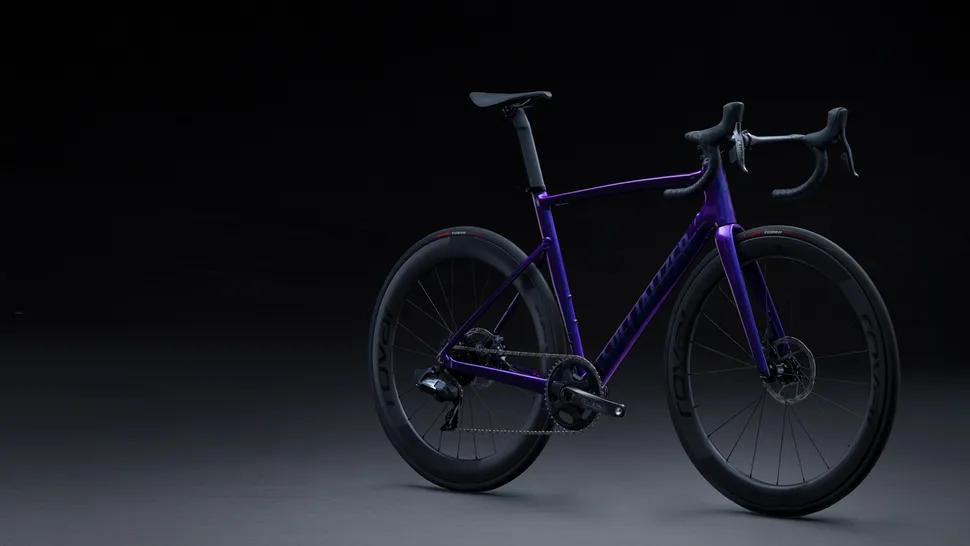
Bike shops get loud before race season in a way casual riders often miss. Mechanics are booked, team kits arrive, and the fast sizes start disappearing from floors before the first local criterium feels close. The Specialized Allez Sprint sits right in that rush because it gives racers a sharp aluminum race bike without the fragile feeling or high bill that scares many buyers away. That is why riders watching consumer product demand trends should treat this bike less like a random weekend purchase and more like a timed decision. In the U.S., the pattern is simple: once college teams, masters racers, and serious group-ride regulars start building spring plans, the best sizes and colors can narrow fast. The smart move is not panic buying. It is knowing why demand gathers around this frame, what kind of rider it fits, and where a deal is still a deal instead of a trap. That timing can make a normal retail choice feel like a start-line decision, especially when your local shop has one frame left and three riders asking about it.
Why the Specialized Allez Sprint Gets Scarce Before Spring Starts
The first wave of demand rarely comes from riders who woke up and decided they need speed. It comes from people who already know what March, April, and May feel like. They have a Tuesday-night crit series on the calendar, a team order half settled, or a training camp where a tired drivetrain will not be cute. A road racing bike with a known name and a hard-edged ride starts looking safer than gambling on an unknown frame two weeks before registration closes. The bike becomes attractive because it answers a nervous question: can I race hard without building my whole season around one delicate purchase? For riders who pay entry fees, travel to weekend races, and train after work, that answer has real value. They want speed, but they also want a bike they can live with.
Shop calendars move earlier than riders expect
Most buyers think racing season begins when the weather turns warm. Shops know it begins when riders bring in winter bikes with salt on the bolts and ask whether their race setup can be ready “soon.” That word creates the first bottleneck. Wheel swaps, brake bleeds, fit checks, and drivetrain orders all pile up before the first sunny weekend.
That is where this model gains heat. It is not a vague fitness bike. It is a frame people buy with a plan. A Chicago rider prepping for spring crits, a Denver rider watching the early road calendar, and a Florida rider already racing in February may all want similar sizes at the same time. Scarcity begins before it looks dramatic online. By the time a forum thread notices it, the shop mechanic may have already seen the pattern for weeks.
The non-obvious part is that demand can rise even when the bike is not new. Familiarity can make stock move faster. Riders trust what their fast friend already races, what their mechanic knows how to build, and what local shops can service without drama. In a sport full of expensive unknowns, known speed feels safe.
Scarcity starts with sizes, not headlines
A model does not need to vanish nationwide for buyers to feel squeezed. If your size is 54 or 56, the shortage may feel real while a 61 still sits there. If you want a certain color, the problem gets narrower. If you want a frameset to build with parts you already own, the window can shrink again. This is why a calm buyer can still act with urgency.
The smart move is to check size first, not hype first. A medium frame in a race-focused bike often moves because it fits a large slice of trained adult riders. Add a popular paint option and you have a local shortage even when the brand still shows other versions elsewhere. That is how supply pressure works in cycling: it hides inside details.
A better test is simple. Can you find your size, in a color you can live with, from a seller you trust, at a price that leaves room for fit changes? If not, the market is already tight for you. That matters more than whether someone online says the bike is “sold out.” The headline is broad. Your fit window is personal.
The Race-Shop Math Behind a Fast Alloy Buy
The appeal here is not romance. It is math with sweat on it. Carbon still wins plenty of weight arguments, and no honest rider should pretend alloy has magic dust in the tubes. Yet an aluminum race bike can make sense when the buyer wants a sharp frame, room in the budget for wheels, and less fear around daily training abuse. For many American riders, that mix matters more than a lighter frame on a spreadsheet. A bike that saves money up front can also free cash for the parts that touch the ground, touch your hands, and decide whether a long race feels controlled.
Why an aluminum race bike still matters
A race bike has to do boring things well before it earns praise. It needs to hold a line in a pack. It needs to jump when you stand up. It needs to survive travel, roof racks, trainer sessions, and one bad lean against a brick wall outside a coffee shop. Premium alloy can handle that life with a blunt honesty many riders respect. It can feel less precious, which can make you ride it harder.
Specialized’s U.S. road-bike category describes Allez as premium alloy for high performance, and its Allez page has shown Sprint frameset listings in the upper four-figure range rather than full superbike territory. The official Allez page is the safest place to confirm the live lineup before comparing shop prices.
The counterintuitive bit is that cheaper carbon is not always the smarter race buy. A rider with a fixed budget may gain more speed from a solid alloy frame, proper tires, a tuned position, and wheels that hold speed well. The frame material gets the attention. The whole setup wins the sprint. You feel that on the road when the bike tracks well, the tires stay planted, and you are not saving money in the wrong place.
The build kit matters more than the badge
A bike can have the right frame and still feel wrong if the contact points and parts fight you. Bars that are too wide can make a fast bike feel like a doorframe in crosswinds. A stem that is too long can turn every descent into a shoulder workout. Tires that are too harsh can make a stiff rear triangle feel harsher than it needs to be. None of those problems get fixed by a famous name on the downtube.
This is where buyers should slow down. A frameset deal may be the smartest path if you already own a good drivetrain and wheels. A complete build may be better if you need a clean start and do not want to chase small parts. Neither path wins on paper alone. The right path is the one that gets you riding soon, with parts you trust, without draining the money you need for the season.
Use a small budget buffer. Save money for a saddle you trust, race tires, fresh bar tape, bottle cages that hold on rough pavement, and a fit session if your position is not settled. For deeper planning, park a note beside your road bike sizing guide and compare measurements before your card comes out. Buying the bike is only one move. Making it race-ready is the move that counts.
Where This Frame Makes Sense for American Riders
Demand makes more sense when you picture the places this bike will be ridden. The U.S. road scene is not one smooth ribbon of perfect pavement. It is office-park crits, county-line sprints, chipseal farm roads, bridge expansion joints, training loops near suburbs, and parking-lot warmups before a race number gets pinned. That variety rewards a rider who knows what the bike is for. It also punishes riders who buy a race frame and expect it to behave like a couch with drop bars. That mismatch causes more disappointment than the frame itself, because the bike may be doing exactly what it was built to do.
Crit courses reward nerves, not comfort myths
A crit bike does not need to feel plush in the way an endurance bike does. It needs to feel direct when you dive into a corner with thirty riders around you. It needs to answer when the pack slows, surges, and snaps again. That kind of feedback can feel harsh on a solo recovery spin, then feel perfect when the bell lap gets ugly. The same sharp edge that annoys you on bad pavement may help you read the front tire in a corner.
Think of a weekday crit in Tulsa, Sacramento, or outside Philadelphia. The course may be short, flat, and full of repeat corners. You brake, lean, stand, sit, and chase ten times in a few minutes. A soft-feeling bike can be pleasant, but a sharp one can make timing cleaner. It lets you place the front wheel with less guesswork.
The catch is that sharp handling does not save poor judgment. A fast alloy frame will not teach you how to hold a wheel, protect your front tire, or move up before the course narrows. The rider still matters most. The bike only stops getting in the way. That is enough for some racers, and it is not enough for others.
Training roads expose the fit mistakes
The same traits that help in a race can punish a sloppy setup on long training days. If your saddle height is off, your hands will know. If your front end is too low because you copied a pro photo, your neck will complain before the second bottle is empty. A road racing bike tells you when your position is borrowed from someone else’s body.
That is not a flaw. It is feedback. A race-focused frame tells the truth sooner than a relaxed endurance bike, which can hide mistakes behind extra stack and calmer handling. Some riders need that honesty. Others should admit they want comfort more than snap. The hard part is saying that before money changes hands.
A good test is a rough two-hour ride, not a five-minute shop roll. Find pavement with seams, small climbs, and a few fast corners. If the bike feels alive but not mean, you may be close. If it feels like a dare from mile one, keep adjusting or step toward a calmer option. Your ego does not have to approve the purchase. Your knees, hands, and lower back do.
How to Buy Without Overpaying or Choosing Wrong
A popular bike creates two bad instincts. One buyer freezes and waits until every good option is gone. Another pays too much because the word “limited” gets waved around. Both mistakes come from the same place: not knowing which details matter and which ones are noise. The cure is to shop like a racer, even if you are not one yet. Decide what must be right, what can be changed later, and what should make you walk away. This keeps emotion in its place. You can still love the bike, but the checklist gets the final vote.
Check size, color, and frameset options first
Start with size, then reach and stack, then availability. Paint comes after fit, even if your heart disagrees. A wrong size in the perfect color is still wrong. That sounds plain, but bike sales are full of riders who bought the dream shade and then spent a year fighting the cockpit. Good paint cannot make a long reach shorter.
Compare the geometry to a bike you already ride. Do not compare only the frame size printed on the sticker. Brands measure and label frames in ways that can fool you. A 54 from one brand may not place your hands and hips the same way as a 54 from another. If your current bike fits well, write down saddle height, saddle setback, bar reach, bar drop, and crank length before shopping.
Then call a real shop if the bike matters to you. Ask what sizes are actually in hand, whether transfers are possible, what the return rules are, and whether the shop will help with fit after the sale. A local seller who answers those questions clearly may beat a lower online price. You are buying support, not only metal and parts.
Know when to walk away
The wrong deal often wears a good discount. Maybe the frame is one size off. Maybe the build has wheels you will replace next month. Maybe shipping eats half the savings. Maybe the shop cannot tell you when it will arrive, yet wants a deposit that feels too stiff for the facts. When the answer to basic questions sounds foggy, trust that feeling.
Walk away when the story gets cloudy. Race season pressure is real, but so is buyer regret. There will be another bike, another shop, another build path. The only time pressure worth respecting is the pressure around your exact size and a seller you trust. Hype is loud. Fit is quiet. Fit wins.
Recent lab coverage around stiffness testing also gives buyers a useful warning: stiffness and comfort are not single-number virtues. Cyclingnews tested frames through bottom bracket torsional stiffness and saddle-area vertical stiffness, then argued that rider weight, power, road surface, and style shape what “good” feels like. That is a healthy way to shop. Chase fit and use case first, then chase bragging rights. Your next upgrade list should start with best cycling gear upgrades, not a panic bid on the wrong frame.
Conclusion
Race-season buying rewards the rider who is early, calm, and honest about needs. You do not need to treat every stock dip like an emergency, but you should respect how fast common sizes can move when local racers start preparing at the same time. That is why the Specialized Allez Sprint keeps pulling attention from riders who want a fast bike with fewer excuses and a lower ceiling for regret. The best version of this purchase is not the flashiest one. It is the one that fits, leaves room for smart parts, and suits the roads you will ride after the first race-week buzz fades. If your size is there and the build makes sense, act with confidence. If the fit is wrong or the seller sounds unsure, step back. The right purchase should feel exciting, not desperate. Check your size, speak with a shop that knows race bikes, and buy for the season you will actually ride.
Frequently Asked Questions
How much should I expect to spend on this type of race bike?
Expect the full cost to include more than the frame or complete bike price. Tires, pedals, fit changes, cages, and maintenance can add up fast. Keep a buffer so the bike is ready to ride instead of sitting unfinished while you wait for small parts.
Is an aluminum race bike worth buying over entry-level carbon?
Yes, if the alloy frame fits better, handles better, or leaves money for stronger wheels and tires. Entry-level carbon can be a good choice, but material alone should not decide the purchase. A balanced build usually beats a fancy frame with weak supporting parts.
What size should I choose if I am between two road bike sizes?
Start with reach, stack, and your current fit numbers rather than the printed size. Many riders between sizes are happier sizing down on a race frame and fine-tuning with stem length and spacer height. A shop fit can prevent a costly guess.
Is this a good crit bike for beginner racers?
It can be, but only if the fit is right and the rider wants sharp handling. Beginners should not buy it because it looks fast. They should buy it because they plan to practice cornering, pack riding, and repeated hard jumps.
Should I buy a frameset or a complete bike?
A frameset makes sense if you already own good parts or want control over every choice. A complete bike is cleaner when you need a ready setup and do not want parts compatibility headaches. Price both paths before deciding.
What upgrades make the biggest difference first?
Tires, fit, and wheels usually matter before exotic parts. Good tires change grip and comfort at once. A clean fit helps power and control. Better wheels can come later if the stock setup is dependable enough for training.
Can this kind of road racing bike handle rough pavement?
It can handle normal rough roads, but setup matters. Wider tires within the frame’s clearance, correct pressure, and a saddle you trust can soften the ride. If most rides are long and broken pavement is constant, an endurance frame may fit your life better.
When is the best time to buy before racing season?
Shop before everyone else feels the deadline. Late winter is often smarter than waiting for the first warm group ride. Focus on your size and shop support first. A small discount is not worth missing the frame that actually fits.