
 By Michael Caine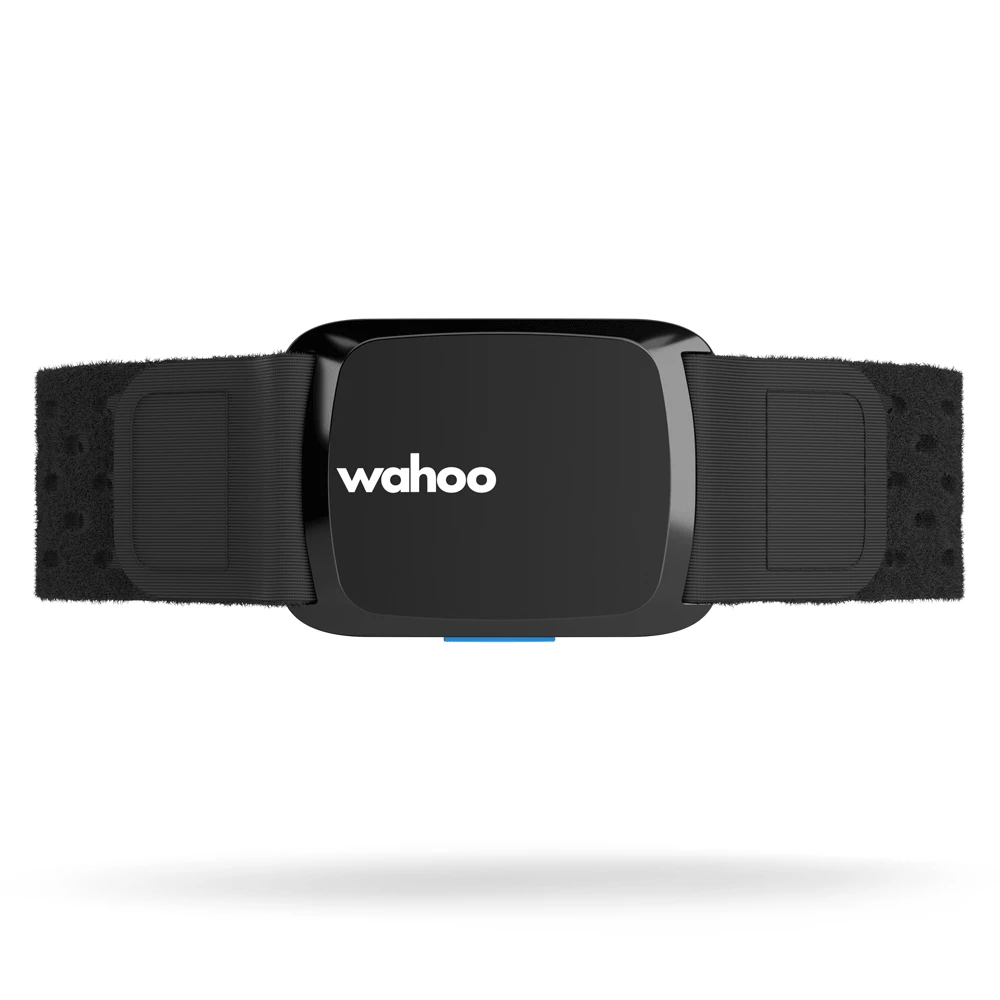
The easiest fitness purchase to regret is the one that looks useful on day one and ends up buried in a drawer by day ten. That is why the Wahoo TICKR FIT Optical Heart Rate Monitor deal is catching attention from runners, cyclists, Peloton riders, and gym users who want cleaner heart-rate data without wearing a chest strap. The appeal is simple: you get an arm-based sensor from a known training brand, not another mystery gadget with vague specs and wild app claims. For shoppers tracking practical gear drops through consumer product updates, this is the kind of discount that deserves a closer look before the price moves again. Wahoo lists the TICKR FIT with a rechargeable battery rated for more than 30 active hours, IPX7 water resistance, ANT+ support, and up to three Bluetooth connections, which gives it wide compatibility for phones, bike computers, watches, and indoor training setups. The better question is not whether it is cheap. The better question is whether it fixes the heart-rate problems you feel during real workouts.
Why This Optical Heart Rate Monitor Is Getting Attention
Price cuts matter more when the product already solves a common annoyance. With the Wahoo TICKR FIT, that annoyance is the chest strap. Plenty of athletes accept chest straps because they can be accurate, but “accepted” does not mean loved. A strap can feel tight, slide when sweat builds, rub during long rides, or sit poorly under certain clothing.
That opens the door for an arm-based device. It feels less medical and more like a workout accessory. For a U.S. rider doing Zwift before work, or a runner squeezing intervals into a lunch break, comfort can decide whether the device gets used three times a week or forgotten after the first charge.
The deal only matters if the device earns repeat use
A low price can trick people into buying gear they do not need. Heart-rate monitors are common victims. Someone sees a discount, buys it, pairs it once, and then returns to their watch because the new device adds friction.
The Wahoo TICKR FIT has a cleaner case for repeat use because it sits on the forearm or upper arm instead of the chest. Wahoo’s own guidance says to wear it on the inside or outside of the upper forearm and keep it snug enough to stay in place during exercise. That sounds small, but placement matters. A sensor that stays planted usually gives you calmer data than one bouncing at the wrist.
There is also a habit advantage. A heart rate armband is easier to put on when you are half-awake before a ride. You do not have to wet electrode pads, adjust a chest band, or wonder if the strap is sitting too low. You press the button, check the light, and start.
Why arm-based tracking fits modern workouts
Many Americans train across mixed systems now. One week might include a Peloton ride, a Garmin-tracked run, a strength session, and a Saturday outdoor ride. A single-purpose monitor feels dated when your week jumps across apps and devices.
That is where a Bluetooth ANT+ monitor makes sense. Bluetooth helps with phones, tablets, Apple TV, and many fitness apps. ANT+ helps with bike computers, watches, and cycling gear. Wahoo’s product information says the sensor pairs with fitness apps, smartphones, GPS bike computers, and watches through Bluetooth and ANT+.
The counterintuitive part is that the sensor is not trying to be a smartwatch replacement. That is a strength. It does not distract you with notifications, sleep scores, or daily readiness prompts. It has one job: send heart-rate data to the screen you already use.
Where the Wahoo TICKR FIT Makes the Most Sense
The best buyer is not always the most serious athlete. It may be the person who trains often enough to notice bad data but not enough to tolerate uncomfortable gear. A marathoner doing threshold blocks may still prefer a chest strap. A casual indoor cyclist may want something easier that still beats wrist readings during hard efforts.
That is the lane for the Wahoo TICKR FIT. It works best for people who want steady heart-rate tracking across common workouts, especially cycling, treadmill runs, fitness classes, rowing, and home gym sessions. It is less about lab-level control and more about making training zones easier to trust.
Indoor cyclists may feel the upgrade first
Indoor cycling is one of the strongest use cases because the arm does not bounce as much as it does during outdoor running. Your forearm stays stable on the bars, your trainer app gets a cleaner signal, and you can see effort rise during climbs or intervals without guessing from breathing alone.
Think of a rider using Zwift on Apple TV in a garage in Arizona. The watch on the wrist may struggle when sweat builds under the band. A chest strap may feel annoying during a 75-minute endurance ride. A heart rate armband sits out of the way and still sends the data to the screen.
That is not a glamorous use case. It is better than glamorous. It is repeatable.
Runners should understand the trade-off
Runners can benefit too, but they should be honest about movement. Optical sensors can lag a little when effort changes fast, especially during short sprints or hill repeats. That does not make the device bad. It means you should match the tool to the session.
For easy runs, tempo blocks, treadmill work, and long aerobic days, the TICKR FIT can be a strong fit. For sharp intervals where heart rate jumps and falls fast, a chest strap may still react faster. CyclingNews noted that chest straps often perform best for quick changes, while well-fitted optical armbands can still be good when secured properly.
Here is the non-obvious point: most recreational runners do not need perfect second-by-second response. They need useful trends. If your goal is staying in Zone 2, watching drift on a long run, or avoiding overcooking recovery days, the armband can be enough.
Comfort, Battery Life, and Setup Details That Matter
Specs can look dull until they affect your workout. Battery life matters when you forget to charge. Water resistance matters when summer sweat turns every session into a stress test. Strap length matters when the device needs to fit different arms in the same household.
The TICKR FIT comes with two strap sizes, has a rechargeable lithium-ion battery, and is rated for more than 30 active hours according to Wahoo’s listed tech specs. That gives it a practical rhythm. Charge it every couple of weeks for light use, or once a week if you train often.
Rechargeable design is both a plus and a chore
A rechargeable monitor saves you from coin-cell battery swaps. That is nice. It also means you must remember another charger, and some athletes hate that.
The trade-off depends on your routine. If you already charge a watch, headphones, bike lights, and a cycling computer, one more cable may feel annoying. If you dislike opening battery doors and buying CR2032 cells, rechargeable feels cleaner.
A small habit fixes most of it. Leave the charger near your cycling shoes or treadmill. When the armband comes off, it goes to the same spot. Gear that has a home gets used more.
Fit decides whether the data feels trustworthy
A loose sensor creates frustration. It may connect fine, then show odd spikes or dead spots once sweat and movement enter the picture. That is not unique to Wahoo. It is the basic reality of optical tracking.
Amazon’s U.S. listing shows many customers praise ease of use, while buyer feedback is more mixed on accuracy, fit, durability, and connection behavior. That kind of split is common with wearables because bodies, phones, apps, and workout styles vary.
The fix is boring but powerful. Wear it snug, not painful. Try the inner forearm first. Let it sit for a minute before judging the first reading. If you treat it like a watch and leave it loose, you may blame the sensor for a fit problem.
How to Decide Before the Price Changes
A record-low tag can create pressure, but the smarter move is to decide by use case. This device is worth considering if you already know your watch struggles during workouts, you dislike chest straps, or you want one sensor that can talk to multiple training platforms.
It is less compelling if you only check heart rate after workouts or train once in a while without looking at zones. In that case, your current watch may be enough. Buying more gear will not create better habits on its own.
Compare it against the chest strap you would actually wear
Chest straps still have a strong place. A good one can react fast and perform well during intense sessions. The problem is not performance. The problem is whether you will wear it.
A $100 chest strap that sits unused is worse than a discounted armband that becomes part of your routine. That is where the TICKR FIT gets interesting. REI’s product page has listed the model at $90 and describes it as pairing through Bluetooth and ANT+ for apps, smartphones, GPS bike computers, and watches. When a discount pushes it lower, the comfort argument becomes stronger.
For more buying guidance, you could place this topic near best fitness tech for home workouts or smart cycling gear for indoor training. Those internal links help readers compare the purchase against the rest of their setup instead of treating it as a random deal.
Buy it for consistency, not magic
The cleanest reason to buy this armband is consistency. It gives you a repeatable way to track effort across rides, runs, and gym sessions. That matters when you are trying to avoid training too hard on easy days or wondering why one workout felt harder than usual.
Do not expect it to turn casual exercise into a coaching plan. You still need to read the numbers with common sense. Sleep, heat, stress, caffeine, and hydration can all move heart rate around.
That is the useful part. The number starts a conversation with your body. It does not end it.
Conclusion
The smartest deal shoppers do not chase every markdown. They look for products that remove a real problem from daily use. The TICKR FIT does that for people who want heart-rate data without the chest strap ritual, especially in cycling, indoor training, and steady cardio sessions.
Its strongest value is not one flashy feature. It is the mix of comfort, broad pairing support, rechargeable battery life, and a form factor that feels easy to repeat. If the Wahoo TICKR FIT Optical Heart Rate Monitor is sitting at a true low when you find it, the timing is worth taking seriously. That does not mean every athlete should buy it.
Buy it if your current setup gives messy readings, your chest strap annoys you, or your training apps need a better signal. Skip it if your watch already works well for your needs. The best fitness gear is the gear you reach for without arguing with yourself first.
Frequently Asked Questions
How accurate is the Wahoo TICKR FIT for indoor cycling?
It should work well for most indoor cycling sessions because the arm stays fairly stable on the bars. You may still see small delays during sharp effort changes, but steady rides, climbs, and zone-based workouts are where this armband makes the most sense.
Is the Wahoo TICKR FIT better than a chest strap?
It is better for comfort and ease, not always for instant response. A chest strap may suit high-intensity testing or fast intervals. The armband is better for people who want solid data without wearing a band around the chest.
Can the Wahoo TICKR FIT connect to Peloton or Zwift?
It can connect through Bluetooth, and many users buy it for indoor training apps and devices. Pairing depends on the exact screen, app, and setup you use, so check your device’s heart-rate sensor menu before assuming full support.
How long does the battery last on the Wahoo TICKR FIT?
Wahoo lists more than 30 active hours of battery life. For many users, that means several workouts between charges. Heavy weekly training may require a regular charging habit so the sensor is ready when your next session starts.
Where should I wear the Wahoo TICKR FIT?
Wear it on the inside or outside of the upper forearm with a snug fit. It should not feel painful, but it should not slide during exercise. A stable fit usually leads to cleaner heart-rate readings.
Is the Wahoo TICKR FIT good for running?
It can be good for steady runs, treadmill workouts, tempo sessions, and long aerobic efforts. For short sprints or rapid intervals, a chest strap may react faster. The armband is still a strong comfort-first choice for many runners.
Does the Wahoo TICKR FIT work with Garmin devices?
Many Garmin watches and bike computers support external heart-rate sensors through Bluetooth or ANT+. Since device support can vary by model, check your Garmin pairing settings and look for an external heart-rate sensor option.
Is the Wahoo TICKR FIT worth buying at a low price?
It is worth buying if you want better workout heart-rate data and dislike chest straps. The value drops if you only glance at heart rate after exercise or already trust your watch readings. Fit your purchase to your training habits.