
 By Michael Caine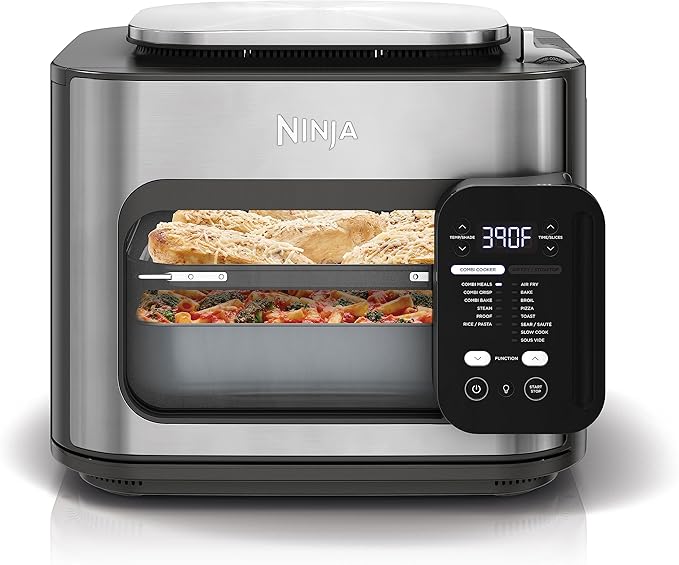
Counter space has become the new battleground in American kitchens. The Ninja Combi is gaining attention because it promises something busy households want more than another shiny gadget: dinner that feels possible on a Tuesday night. It is built for people who want a full meal without running a stovetop, oven, rice cooker, air fryer, and sink full of pans. That is why shoppers tracking home and kitchen product trends have started watching this all in one multicooker so closely. It speaks to parents getting home after work, apartment renters with small kitchens, college graduates furnishing a first place, and anyone tired of ordering takeout because cooking feels like a second shift. The claim that it is becoming a fast-selling kitchen appliance makes sense when you look at the mood of the market: Americans are not only buying tools that cook faster. They are buying tools that remove decisions. A countertop cooker that can handle grains, protein, vegetables, crisping, baking, and reheating lands right where modern dinner stress lives.
Why Ninja Combi Demand Fits the New Home-Cooking Routine
The biggest reason this cooker is drawing attention is not mystery. People want dinner to feel smaller. Not smaller in portion, but smaller in effort, cleanup, timing, and mental load. Ninja lists the Combi as a 14-in-1 appliance with functions such as Combi Meals, Rice/Pasta, Steam, Bake, Toast, Slow Cook, Sous Vide, Air Fry, and Broil, plus a 15-minute complete-meal claim for proteins, vegetables, and grains cooked together. That mix explains the appeal better than any hype line could.
The real draw is fewer cooking decisions
Most home cooks do not quit dinner because they hate food. They quit because the sequence gets annoying. Start rice. Heat pan. Watch chicken. Roast vegetables. Keep one part warm while another finishes. Then wash everything.
A cooker that stacks parts of the meal into one workflow changes that feeling. It does not make you a better cook overnight. It makes the next step obvious. That matters more than people admit.
A family in Ohio, for example, might use it for chicken thighs, rice, and broccoli after soccer practice. A renter in Phoenix might use it because turning on the wall oven heats the whole apartment. A remote worker in North Carolina might use it at noon because leftovers feel dull and cooking from scratch feels too long. Same product, different problem.
The non-obvious part is this: speed is not always the main benefit. Predictability is. When a cooker helps you trust that the rice, protein, and vegetables can finish in the same window, the dinner decision loses its sting.
Why countertop cookers are replacing single-purpose tools
A lot of kitchens already have an air fryer. Some have a slow cooker. Many have a toaster oven. The issue is that each one solves a slice of dinner, not the whole plate. That is where a countertop cooker with layered cooking feels different.
This kind of appliance also fits the way Americans shop now. Buyers are more willing to pay for one larger tool if it removes two or three smaller ones. That is why smart kitchen appliance buying guides have become useful for people who want fewer mistakes before spending money.
There is a catch, though. A bigger cooker still needs space. The official product dimensions list it at over 18 inches long and 17 inches wide, so this is not a tiny dorm-room gadget. You need to measure the counter before you fall in love with the idea.
That detail may sound boring. It saves returns.
What Makes This All in One Multicooker Different From an Air Fryer
The easy mistake is calling this an air fryer with extra buttons. That undersells the point. A standard air fryer is great at crisping frozen fries, wings, salmon bites, or reheated pizza. This all in one multicooker aims at something bigger: building a meal in layers, where steam handles moisture and hot air handles texture.
Steam plus crisping solves a common dinner problem
Home cooks often face a trade-off. Steam keeps food moist but can leave it soft. Dry heat crisps food but can dry it out. The Combi idea is to bring those forces closer together.
Ninja describes its cooker technology as a mix of HyperSteam and Air Fry, designed to cook ingredients evenly while helping the outside crisp. That matters for meals like chicken and rice, frozen salmon with vegetables, or pasta bakes where moisture and browning both matter.
Think about frozen chicken tenders and rice. In a normal kitchen, those belong to different tools. One wants dry heat. One wants water. The appeal here is that the cooker tries to make them part of one timed meal instead of two separate jobs.
Still, it is not magic. You should check thicker meat with a thermometer. FoodSafety.gov says poultry should reach 165°F, and leftovers should be reheated to 165°F as well. That is the quiet adult part of fast cooking: trust the tool, but verify the food.
It helps most when your meals repeat
The best kitchen appliance is usually the one that fits your repeat meals. Not your fantasy meals. Your real ones.
If your weeknight rotation includes rice bowls, pasta dishes, roasted vegetables, frozen protein, salmon, chicken, breakfast bakes, or reheated leftovers, this countertop cooker has a clear lane. If you mostly cook steak in cast iron, bake sourdough, or make delicate sauces, it may not replace your favorite tools.
That distinction matters because appliance regret often comes from buying for an imagined version of yourself. A person who eats rice bowls three nights a week will judge this cooker differently from someone who cooks once on Sunday and eats salads the rest of the week.
For many U.S. households, the value is not that it can do everything. It is that it can do the meals they already make, with fewer dishes and less watching.
Where the Kitchen Appliance Trend Is Headed
American kitchens are shifting away from display pieces and toward time-saving workhorses. That does not mean design no longer matters. It means the appliance has to earn its footprint. A kitchen appliance that sits out all week must be useful enough to avoid the cabinet graveyard.
Small kitchens are forcing smarter choices
Apartments, townhomes, and older houses often have limited prep space. Even large suburban kitchens can feel crowded once you add a coffee machine, toaster, blender, knife block, and air fryer. Another large tool can be a mistake unless it replaces something.
That is why this category is growing around consolidation. People want one appliance that can cook a full dinner, not a tool that only makes fries. The Combi comes with a cooker pan, bake tray, and crisper tray, which supports that full-meal setup.
A single parent in Dallas may not care about having 14 functions. They may care that one pan can go from cooking to serving and then into the dishwasher. That is the difference between a feature list and a real household benefit.
The counterintuitive insight is that more functions can make a product feel simpler if they are organized around meals. If they are organized around buttons, they feel like homework.
Busy households want cooking without babysitting
The modern dinner problem is not only time. It is attention. You can have 30 minutes and still not want to stand at the stove for 30 minutes.
That is where guided cooking modes, trays, and preset functions can help. They reduce the number of moments where you need to decide what happens next. Less stirring. Less checking. Less moving pans around.
This also explains why countertop cooking product comparisons matter. Shoppers are not only comparing wattage or capacity. They are comparing how much attention each appliance asks from them.
No cooker can remove all responsibility. You still need to season food, load it right, avoid crowding, and learn which meals work best. But the best countertop tools reduce the number of tiny interruptions that make cooking feel draining.
That is a real form of convenience.
Who Should Buy It and Who Should Skip It
The smartest way to judge this cooker is not by asking whether it is popular. Popular products can still be wrong for your kitchen. The better question is whether it matches your meals, space, patience, and cleanup habits.
It makes sense for meal builders
This cooker fits people who like meal templates. Protein plus grain plus vegetable. Pasta plus sauce plus topping. Fish plus potatoes. Breakfast casserole. Toasted sandwiches. Reheated leftovers that need crisp edges instead of microwave softness.
It also makes sense for people who want to cook more at home but keep getting stuck at the same point: planning. A machine that supports full meals can nudge you toward cooking because the process feels less scattered.
A nurse coming home after a 12-hour shift may not want a cooking project. A couple with a toddler may need dinner that survives interruptions. A college student in an off-campus apartment may want something safer and more useful than juggling three cheap appliances.
That is where the value shows up.
The surprise is that beginners may benefit more than confident cooks. Experienced cooks can improvise with any pan. Beginners need a path. A cooker with repeatable meal modes gives them one.
It is not right for every countertop
Skip it if you have no room to leave it out and no patience to move a heavy appliance. At about 24 pounds, based on Ninja’s listed product weight, this is not something most people will want to lift in and out of a cabinet every day.
Also skip it if you already love your oven, air fryer, rice cooker, and slow cooker setup. If those tools are working and your kitchen is organized, another large appliance may add clutter instead of removing it.
There is also a learning curve. Reviews have noted strong versatility, but some testers say recipes may need watching while you learn the appliance. That is normal for multi-function cookers. The first week is not the whole story.
The best buyer is practical. They want repeatable meals, not showroom perfection. They measure the counter. They read the manual. They test a few simple recipes before expecting a full Sunday dinner.
Conclusion
The rise of this cooker says more about American kitchens than it does about one brand. People are tired of appliances that promise joy but create cleanup. They want tools that make dinner feel reachable after work, school pickup, traffic, errands, and everything else packed into the day.
That is why the Ninja Combi has found such a strong lane. It speaks to the daily pressure point: making a complete meal without turning the kitchen into a puzzle. It will not replace skill, taste, or common sense. It will not make every recipe better. But for the right household, it can turn a scattered weeknight routine into a calmer one.
The best move is to judge it by your actual meals. If you already build dinners around grains, proteins, vegetables, pasta, frozen foods, and leftovers, this all in one multicooker could earn its counter space fast. Measure first, cook simple first, and let the appliance prove itself one dinner at a time.
Frequently Asked Questions
Is this cooker worth it for a small apartment kitchen?
Yes, if it replaces several tools you already use or planned to buy. It needs counter space, so measure first. For renters who cook rice bowls, frozen meals, chicken, vegetables, or pasta often, the space trade can make sense.
Can it replace a regular oven?
It can replace an oven for many weeknight meals, reheating jobs, small bakes, and crisping tasks. It will not fully replace a large oven for big holiday meals, oversized sheet-pan dinners, or recipes that need wide, flat cooking space.
What meals work best in this type of cooker?
The best meals are layered dinners with a grain or pasta base, a protein, and vegetables. Chicken and rice, salmon with potatoes, pasta bakes, taco bowls, breakfast casseroles, and crisped leftovers are strong fits.
Is it better than a standard air fryer?
It depends on your cooking style. A standard air fryer is great for crisping. This cooker is better for people who want fuller meals, especially when moisture, grains, pasta, or layered cooking matter.
Does it help reduce cleanup?
Yes, that is one of the main benefits. Cooking more parts of dinner in one appliance means fewer pans, fewer burners, and less sink clutter. Dishwasher-safe accessories help, though sticky sauces may still need soaking.
Can beginners use it without much cooking experience?
Yes, beginners may be one of the strongest matches. The preset functions and meal-based design reduce guesswork. Start with simple recipes, use a thermometer for meat, and avoid overloading trays until you learn timing.
What should buyers check before ordering?
Check the product dimensions, counter clearance, cabinet space, weight, return policy, and the meals you cook most often. A large countertop cooker only makes sense when it fits both your kitchen and your weekly routine.
Is it good for families?
Yes, especially for families that need fast dinners with fewer dishes. It works best for everyday meals, not giant gatherings. Parents who cook chicken, pasta, rice, vegetables, and reheated leftovers may see the clearest benefit.