
 By Michael Caine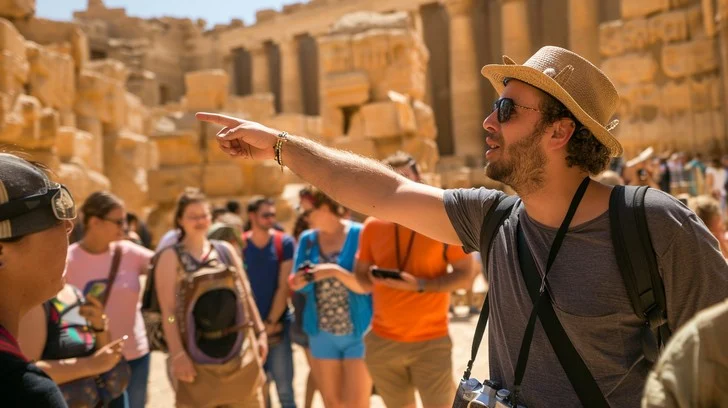
A place can change the way you understand a country faster than any textbook ever could. Standing where a decision was made, a march began, or a community rebuilt after loss gives history a weight that no screen can match. Historical Travel Ideas matter because American travelers are looking for trips that feel deeper than a photo stop and more personal than a checklist. The best visits ask you to slow down, read the room, and let the place speak before you rush to the next stop. For travelers planning local or regional trips, a trusted travel discovery resource can help connect ideas with places that deserve attention. Across the United States, historic places sit inside cities, small towns, coastlines, battlefields, neighborhoods, and rural roads that still carry memory. A meaningful trip does not need to be expensive or distant. It needs care, curiosity, and enough patience to notice what happened there.
Start With the Story Before You Choose the Destination
A strong history-focused trip begins before you book a hotel or mark a route on a map. The mistake many travelers make is picking famous places first, then trying to care about them after arrival. That order often creates flat visits. The better move is to start with a question that already matters to you. Maybe you want to understand immigration, civil rights, military sacrifice, Indigenous history, presidential leadership, industrial towns, or the lives of ordinary families. Once the question is clear, the destination becomes sharper.
How to Choose Historic Sites That Match Your Curiosity
Historic sites work best when they connect to something you already wonder about. A traveler interested in American independence may feel pulled toward Philadelphia, Boston, or Yorktown, while someone drawn to labor history may find deeper meaning in Lowell, Massachusetts, or the coal towns of Pennsylvania. The place matters, but the question behind the visit matters more.
Famous locations are not always the strongest fit. A small county museum, a preserved schoolhouse, or a local Black history trail can sometimes teach more than a landmark crowded with tour buses. That does not make major places less valuable. It means your attention has to be earned, not assigned by popularity.
Good planning starts with one honest filter: what do you want to understand better after the trip? That question keeps the visit from turning into a blur of plaques, gift shops, and rushed photos. It also helps you give each stop enough time to breathe.
Why Local Context Makes American History Travel Stronger
American history travel becomes richer when you look beyond the main attraction and study the community around it. A battlefield is not only a battlefield. It is also farmland, memory, tourism, preservation politics, family stories, and sometimes disagreement over how the past should be told. That tension is part of the visit.
Take Gettysburg as an example. Many visitors arrive for the battlefield, but the town itself shapes the experience. Streets, cemeteries, museums, guide services, and local businesses all sit inside the ongoing memory of the Civil War. You are not entering a frozen past. You are entering a place where history still affects identity and economy.
That is why reading local signs, visiting nearby museums, and speaking with guides can change the whole trip. Context turns a location from a backdrop into a living argument. It reminds you that history did not happen “over there.” It happened in places people still call home.
Build Trips Around Time, Not Distance
Most travelers try to cover too much ground. They build a route as if history rewards speed, then wonder why every stop feels thin. A slower trip usually teaches more. Time gives you room to notice architecture, street names, burial grounds, river routes, old neighborhoods, and the quiet spaces between major landmarks. Those small details often carry the emotional force of the visit.
Planning Heritage Travel Without Rushing the Experience
Heritage travel asks for a different pace than ordinary sightseeing. You are not only looking at a building or walking a trail. You are trying to understand why a place was preserved, who was remembered, who was left out, and what the site asks of visitors now. That cannot happen in ten rushed minutes.
A better plan gives one major site half a day instead of stacking four stops into the same window. At places like Ellis Island, the National Museum of African American History and Culture, or Mesa Verde National Park, time changes the quality of attention. You begin with facts, then move into feeling, then start asking better questions.
Rushing also flattens emotion. Some places deserve silence after you leave them. A memorial, burial ground, or former prison should not be followed instantly by lunch reservations and a new attraction. Leave space. The pause is part of the trip.
When Small Museums Tell Bigger Stories
Small museums often carry the kind of detail that national sites cannot hold. A local historical society may display letters, tools, school records, quilts, church documents, or photographs that make a town’s past feel close enough to touch. These objects rarely shout. They sit quietly and wait for a visitor willing to pay attention.
Consider a small maritime museum along the Maine coast or a railroad museum in the Midwest. The rooms may be modest, but they can show how work shaped families, migration, food, language, and town growth. Large museums explain big patterns. Small ones show how those patterns landed on kitchen tables.
The counterintuitive truth is simple: smaller places can feel more honest because they have less room for spectacle. You are more likely to meet a volunteer who knows the surnames in the archive or remembers how the town changed after the mill closed. That kind of memory does not fit neatly into a national timeline, but it stays with you.
Use Guides, Archives, and Walking Routes to See What Others Miss
A self-guided trip can be rewarding, but some places open only when someone helps you read them. A trained guide, a public archive, or a well-built walking route can reveal details most visitors pass without noticing. The goal is not to be told what to think. The goal is to learn how to see.
What Guided History Tours Add to a Visit
Guided history tours can turn an ordinary walk into a layered experience. A good guide points out what your eye skips: building materials, street patterns, old property lines, church locations, immigrant business districts, or the reason a statue faces one direction instead of another. Those details create a map beneath the map.
In cities like Charleston, New Orleans, Boston, Savannah, and San Antonio, guides can also help travelers handle hard history with more care. Slavery, displacement, war, segregation, and loss should not be reduced to dramatic storytelling. The best guides keep the human stakes clear without turning pain into performance.
Choose tours that name their sources and avoid theatrical exaggeration. A good guide welcomes questions, admits when records are incomplete, and treats the past as complex without making it muddy. You leave with more than facts. You leave with better judgment.
How Archives and Old Maps Change the Route
Archives sound intimidating until you realize they are often full of ordinary life. City directories, fire insurance maps, census records, newspaper clippings, and old photographs can reshape a trip before you even arrive. They help you see what stood where, who lived nearby, and how a neighborhood changed.
A traveler visiting St. Louis, for example, might use old maps to trace river commerce, German immigrant neighborhoods, blues history, or the effect of highway construction on Black communities. Suddenly the trip is not only about the Gateway Arch. It becomes a walk through layers of movement, ambition, damage, and reinvention.
Public libraries, university collections, and state archives often offer digital access. Spend one evening with those materials before your visit, and the streets will look different when you get there. Research does not drain wonder from travel. It gives wonder a sharper edge.
Travel With Respect for Memory, Not Performance
History-based travel can go wrong when visitors treat meaningful places as personal content. A memorial is not a prop. A preserved home is not a stage. A sacred site is not an aesthetic. Respect begins with understanding that some places carry grief, pride, conflict, and identity for people whose lives are tied to that ground.
Reading the Room at Sacred and Difficult Places
Sacred and painful places ask for restraint. At sites such as the 9/11 Memorial, the Edmund Pettus Bridge, Pearl Harbor, Manzanar, or Indigenous cultural locations, the visitor’s mood should match the weight of the place. That does not mean silence at every moment. It means awareness.
The camera test helps. Before taking a photo, ask what the image is for. If it helps you remember, document, or share context with care, it may belong. If it turns someone else’s pain into your personal backdrop, put the phone away. The line is not hard to feel when you are paying attention.
Respect also means listening when a site asks visitors not to enter certain areas, touch objects, photograph ceremonies, or treat graves as scenery. Rules at these places are not obstacles to your experience. They protect meaning from being worn down by careless attention.
Turning a Trip Into Better Citizenship
A meaningful trip should change how you move through your own community when you return. After visiting a civil rights site, you may notice school names differently. After walking through an old industrial town, you may hear debates about jobs and housing with more patience. After visiting an Indigenous heritage center, you may think harder about land acknowledgments, treaties, and whose version of place names you learned first.
That is the quiet power of heritage travel. It does not end at the parking lot. It follows you into voting booths, school board conversations, family discussions, and the way you speak about places you thought you already knew.
Travel cannot fix a shallow understanding of history by itself. Not always. But often enough, one well-chosen site can crack open a lazy assumption and make room for a better one. That is worth the drive.
Conclusion
The most rewarding history trips are not built around how many places you can collect. They are built around how deeply you are willing to meet one place at a time. America holds its past in courthouses, desert camps, old ports, battlefields, neighborhoods, school steps, rail lines, churches, and streets that people cross every day without knowing what happened there. Historical Travel Ideas work best when they push you beyond easy admiration and into honest attention. Pick one question, choose one place with care, give it more time than you think it needs, and let the visit change the way you see the country around you. Start with a site close enough to reach this month, then plan the trip with respect, patience, and a notebook you actually use. The past is not waiting behind glass; it is waiting for you to show up properly.
Frequently Asked Questions
What are the best historic sites to visit in the USA for first-time travelers?
Start with places that connect national stories to real ground, such as Independence Hall, Gettysburg, Ellis Island, Pearl Harbor, or the National Civil Rights Museum. First-time travelers should choose fewer stops and spend more time at each one instead of rushing through famous names.
How can I plan American history travel on a small budget?
Choose regional destinations, free public landmarks, state historic markers, local museums, and walking routes. Many libraries and visitor centers offer maps at no cost. A low-budget trip can still feel rich when you plan around strong questions instead of expensive attractions.
What makes historic sites worth visiting with family?
Strong family visits give everyone something to notice, not only something to read. Look for places with guided walks, objects children can understand, outdoor space, and stories tied to daily life. Homes, ships, forts, farms, and rail stations often work well across ages.
How do guided history tours improve a travel experience?
Guides help you see details that signs often miss, including hidden architecture, community memory, and the reasons certain events still matter locally. The best tours also help visitors handle difficult history with care instead of turning serious places into entertainment.
What should I bring when visiting meaningful site visits in America?
Bring comfortable shoes, water, a small notebook, weather-ready clothing, and patience. A printed map helps when phone service drops. For memorials, cemeteries, and sacred places, bring a respectful mindset before anything else because behavior shapes the visit.
Are small local museums better than famous national landmarks?
Small museums are not always better, but they often feel more personal. They can show how national events affected one town, one family, or one trade. Famous landmarks give scale, while local museums give texture. A strong trip often includes both.
How can heritage travel help people understand their own communities?
It trains you to notice what daily life hides. Street names, old buildings, cemeteries, rail lines, and neighborhood borders begin to carry meaning. After a strong trip, your own town can feel less ordinary because you know how to read its layers.
What are respectful rules for visiting memorials and sacred historic places?
Move slowly, follow posted guidance, keep your voice low where appropriate, and think before taking photos. Avoid treating grief, worship, or burial spaces as backdrops. Respect means remembering that these places may be part of someone else’s family story, faith, or living identity.