
 By Michael Caine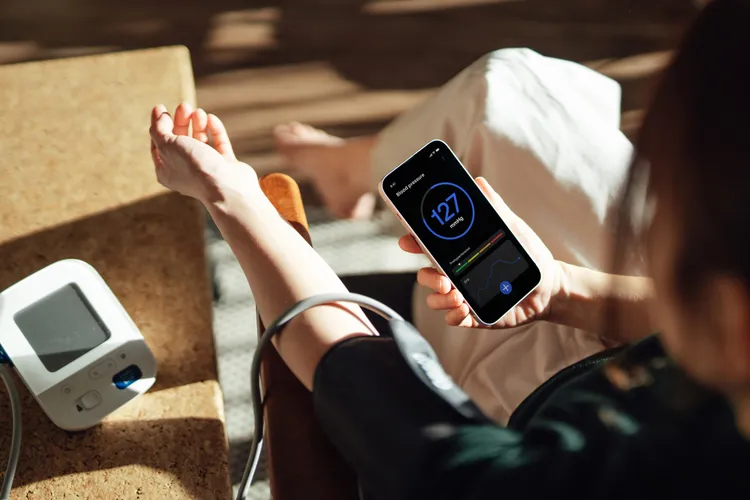
A quiet number on a monitor can change how you see your whole body. Many Americans feel fine, move through work, errands, family dinners, and late-night stress, then discover during a routine visit that their pressure has been running higher than they thought. That is why Blood Pressure Tips matter less as medical trivia and more as daily self-respect. You are not trying to become your own doctor; you are trying to notice patterns before they become problems. Good health awareness starts when you stop treating a blood pressure reading like a random score and start treating it like a message from your arteries. For readers building stronger personal wellness habits, trusted health education resources can make prevention feel less confusing and more practical. The goal is not fear. Fear burns out fast. The goal is steadier: learn what affects your numbers, measure them with care, and make choices that fit the real rhythm of American life.
Blood Pressure Tips That Start With Accurate Numbers
Most people want lifestyle answers first, but measurement comes before motivation. A reading taken after rushing through traffic, drinking coffee, or talking through the cuff test can make your body look more dramatic than it is. Accuracy gives you a fair starting point, and a fair starting point keeps you from overreacting or ignoring something that deserves attention.
Home blood pressure monitoring habits that make readings useful
Home blood pressure monitoring works best when you treat it like a calm routine, not a panic button. Sit with your back supported, feet flat, arm resting at heart level, and give yourself a few quiet minutes before pressing start. That small pause matters because your body is not a machine in a lab; it carries the morning argument, the unpaid bill, the rushed school drop-off, and the second cup of coffee.
A single reading rarely tells the whole story. Two readings taken one minute apart, logged over several days, give a clearer picture than one dramatic number taken when you feel tense. Many Americans buy a cuff, use it three times, then shove it into a drawer because the numbers feel confusing. The better move is to create a simple log with date, time, reading, pulse, and a short note about what was happening that day.
A validated upper-arm cuff usually gives more reliable results than a wrist device for most people. Wrist cuffs can work, but they punish small mistakes in arm position. For practical guidance, the American Heart Association offers patient-friendly education on monitoring and heart health, and it is worth checking before trusting a device that looks convenient but performs poorly.
Healthy blood pressure range signals you should understand
A healthy blood pressure range is not one magic number everyone must worship. Your age, medical history, pregnancy status, medications, and risk factors all shape what your clinician wants to see. Still, the basic pattern matters: when the top number or bottom number stays high across repeated readings, your heart and blood vessels are working harder than they should.
Numbers feel less scary when you understand what they mean. The top number reflects pressure when your heart beats, while the bottom number reflects pressure when your heart rests between beats. That rest period deserves respect. If the resting pressure stays elevated, your system may not be getting the recovery window it needs.
The counterintuitive part is that “I feel normal” does not prove your numbers are fine. High blood pressure often stays quiet, which is exactly why blood pressure awareness matters in regular life. You do not need symptoms to justify checking; you need curiosity, consistency, and enough humility to let the data challenge your assumptions.
Daily Choices That Lower Pressure Without Turning Life Into a Project
Once your readings are reliable, the next step is not a dramatic life makeover. Most people fail when they try to rebuild their diet, sleep, exercise, and stress habits in one heroic week. Better pressure control often comes from boring changes repeated long enough to become background noise.
Low sodium diet changes that still taste like real food
A low sodium diet does not mean eating bland chicken and pretending sadness is discipline. The bigger issue in the United States is not the salt shaker; it is restaurant food, packaged meals, deli meats, frozen dinners, canned soups, sauces, and snacks that carry more sodium than your taste buds notice. You can cook at home and still overshoot if every ingredient arrives pre-salted.
Start by changing the foods you eat most often, not the foods you eat once a month. If lunch is usually a turkey sandwich, chips, and bottled dressing on the side, that daily pattern matters more than one salty dinner out. Choose lower-sodium bread, swap processed meats for grilled chicken or tuna packed without added salt, and use vinegar, lemon, herbs, garlic, or pepper to bring flavor back.
A low sodium diet works better when you stop framing it as subtraction. Add potassium-rich foods when they fit your medical situation, especially fruits, vegetables, beans, yogurt, and potatoes. People with kidney disease or certain medications need medical guidance here, but for many adults, the plate improves when plants take up more room and salty packaged foods lose their automatic seat.
Heart healthy lifestyle moves that fit American schedules
A heart healthy lifestyle sounds polished on paper until Tuesday arrives. Work runs late, dinner comes from a drive-thru, and the gym bag stays in the trunk like a silent accusation. The answer is not self-hate. The answer is designing habits that survive imperfect days.
Walking after meals is underrated because it looks too plain to be powerful. A 10- to 15-minute walk after dinner can help with stress, blood sugar, digestion, and consistency, especially for people who do not want a formal workout plan. The best habit is the one you will still do when motivation has packed up and left.
Strength training also deserves a place in the conversation. You do not need to chase a bodybuilder routine, but building muscle supports metabolism, balance, and long-term independence. A heart healthy lifestyle should make you feel more capable in your own house, not trapped inside a wellness performance for strangers online.
Stress, Sleep, and the Hidden Pressure Behind the Reading
Food and exercise get most of the attention, but pressure often rises in the parts of life people dismiss as “normal.” Bad sleep, constant alerts, financial tension, long commutes, caregiving strain, and unresolved anxiety can keep the body braced for impact. The cuff may be measuring your arteries, but sometimes it is also catching the story of your week.
Stress management for blood pressure in real life
Stress management for blood pressure has to be more honest than “take deep breaths.” Breathing helps, but it cannot repair a life that gives you no margin. The real question is where your nervous system gets even five minutes of safety during the day.
One practical method is to build a pressure-release ritual around a daily transition. Before walking into the house after work, sit in the car for two minutes with your phone face down and your shoulders relaxed. Before opening email in the morning, drink water and take ten slow breaths. These small acts will not erase hard responsibilities, but they teach your body that urgency does not own every minute.
Stress also hides inside constant availability. Many Americans live as though every message requires an instant reply, and the body keeps score. Put one boundary around one part of the day: no work email during dinner, no news before bed, no phone during the first five minutes after waking. Stress management for blood pressure begins when your attention stops being treated like public property.
Blood pressure awareness during sleep and recovery
Blood pressure awareness should include sleep because recovery is not optional maintenance. Short sleep can raise stress hormones, increase cravings, reduce patience, and make healthy choices feel harder the next day. People often blame willpower when the deeper issue is exhaustion wearing a fake mustache.
Snoring, morning headaches, daytime sleepiness, or waking up gasping can point toward sleep apnea, a condition linked with high blood pressure. This matters because someone can eat well and walk daily yet still struggle if their breathing drops during sleep. That is not a character flaw. It is a medical clue.
A strong sleep routine does not need luxury. Keep a steady bedtime when possible, dim screens before bed, avoid heavy late meals, and stop treating the bedroom like a second office. The unexpected truth is that better pressure control may begin after sunset, when nobody is watching and discipline looks like turning the lights off.
Working With Doctors Without Handing Over Your Common Sense
Medical care works best when you arrive as a prepared partner, not a passive passenger. Doctors bring training, testing, and treatment options. You bring daily evidence from the life no clinic visit can fully see. Better outcomes often happen when those two forms of knowledge meet without ego.
Talking about medication without fear or pride
Medication is not a moral failure. Some people can lower their readings through lifestyle changes, while others need medicine because genetics, age, other conditions, or long-term vascular changes have shifted the baseline. Refusing medication out of pride can be as risky as demanding it without making lifestyle changes.
Good conversations start with specific questions. Ask what target range makes sense for you, how long to try lifestyle changes, what side effects to watch for, and what to do if a dose is missed. Bring your home log instead of vague statements like “it has been high lately.” Real numbers help your clinician make cleaner decisions.
The harder truth is that silence creates bad care. If a medicine causes dizziness, cost stress, sexual side effects, or fatigue, say so. Do not quit quietly and hope the problem solves itself. A better dose, different drug class, or adjusted schedule may keep treatment on track without making daily life miserable.
When symptoms deserve urgent attention
Some symptoms should never be filed under “I will see how it goes.” Chest pain, severe shortness of breath, sudden weakness, confusion, fainting, vision changes, or a severe sudden headache deserve immediate medical attention. Waiting can turn a treatable emergency into a life-changing event.
High readings without symptoms still deserve respect, especially when they repeat. Call your clinician for guidance if your home numbers stay elevated or rise beyond the range they gave you. The point is not to panic over every spike; the point is to know your plan before your nerves take over.
This is where Blood Pressure Tips become more than lifestyle advice. They help you separate noise from signal. A stressful afternoon may raise one reading, but repeated high numbers, alarming symptoms, or a pattern that keeps worsening need action, not denial dressed up as calm.
Conclusion
Better health does not come from obsessing over every heartbeat. It comes from building a calmer relationship with the numbers your body gives you. Blood pressure is not a grade on your worth, and it is not a sentence handed down without appeal. It is feedback. Some of that feedback asks for better meals, more movement, cleaner sleep, less sodium, stronger boundaries, or a more honest talk with your doctor. Some of it asks for medication, and that deserves no shame at all. The smartest path is steady, not dramatic: measure correctly, record patterns, make changes you can repeat, and respond early when something looks off. Blood Pressure Tips work best when they move you from vague worry into practical action. Choose one habit today that your future self will thank you for, then make it small enough to repeat tomorrow.
Frequently Asked Questions
What are the best blood pressure tips for beginners?
Start with accurate home readings, a simple log, and one daily habit you can repeat. Walking after meals, lowering sodium from packaged foods, and improving sleep are strong first steps. Do not change medication or ignore high readings without speaking to a healthcare professional.
How often should I check blood pressure at home?
Many people benefit from checking at the same time each day for a short tracking period, especially when advised by a clinician. Two readings one minute apart can give a better average. Once patterns are clear, your doctor may suggest a less frequent schedule.
What is a healthy blood pressure range for adults?
A healthy blood pressure range depends on your medical history, age, and risk factors. Many clinicians look for readings below elevated or high categories, but your personal target may differ. Use home numbers as a guide, then confirm your goal with your healthcare provider.
Can a low sodium diet lower blood pressure?
A low sodium diet can help many people lower blood pressure, especially when most sodium comes from restaurant meals, processed meats, canned soups, sauces, and packaged snacks. Flavor does not need to disappear. Herbs, garlic, lemon, vinegar, and salt-free seasoning blends can keep meals enjoyable.
Why does stress affect blood pressure readings?
Stress can tighten blood vessels, raise heart rate, and keep the body in alert mode. One tense reading may not mean much, but repeated stress-driven spikes can matter. Breathing, boundaries, movement, and better sleep all support stress management for blood pressure.
Is home blood pressure monitoring accurate?
Home blood pressure monitoring can be accurate when you use a validated upper-arm cuff and proper technique. Sit still, support your back, keep feet flat, and place your arm at heart level. Poor cuff size or rushed readings can distort the results.
When should high blood pressure symptoms worry me?
Chest pain, sudden weakness, confusion, severe headache, fainting, vision changes, or shortness of breath need urgent medical attention. Do not wait for symptoms to become unbearable. High readings with serious symptoms should be treated as a medical emergency.
How does a heart healthy lifestyle support blood pressure control?
A heart healthy lifestyle supports blood pressure through movement, balanced meals, better sleep, weight management when needed, lower sodium intake, and less chronic stress. The strongest plan is not extreme. It is repeatable enough to survive workdays, travel, family stress, and imperfect weeks.